Budapest is one of the most underrated cities in Europe and one we keep finding reasons to come back to. The things to do in Budapest span centuries of history, world-famous thermal baths, a ruin pub scene unlike anything else on the continent, and Christmas markets that genuinely rival the best in Europe. When Seth was living in Florence, he led walking tours in Budapest over ten times. We have been back together twice since — both times with friends — and the city has never once disappointed. It is also one of the best value destinations in Europe, which makes it easy to stay longer and do more.
This complete guide covers everything you need for your visit — when to go, where to stay, the best restaurants and ruin bars, the top things to do in Budapest, day trips, and how to get around.
BEST TIME TO VISIT BUDAPEST
Spring (April to May) and fall (September to October) are the sweet spots — mild weather, manageable crowds, and lower prices than the summer peak. That said, every season in Budapest has something going for it.
Summer is warm and lively with the outdoor ruin bar scene in full swing, but it is the busiest and most expensive time to visit. Winter is cold but Budapest at Christmas is genuinely special — the Christmas markets around Vörösmarty Square and St. Stephen’s Basilica are among the largest and most atmospheric we have experienced anywhere in Europe. We went this past winter and were blown away by the scale of it. If the markets are on your list, plan for late November through late December.
HOW TO GET TO BUDAPEST
Budapest Ferenc Liszt International Airport (BUD) has direct connections from most major European hubs and a direct flight from JFK. Several budget European carriers use Budapest as a hub, making it an easy and affordable city to add to a multi-stop European itinerary.
By train, Budapest connects directly to Vienna (2.5 hours), Prague (4 hours), and Bratislava (under 3 hours) — making it a natural stop on any Central European route. The train station drops you close to the city center and is well connected to the metro.
Pro Tip: Grab an eSIM before you leave home so you have data the moment you land. Saily is our go-to — use code THEJETLAGJOURNEY25 for 25% off. Airalo is a great alternative (code JLJ10 for 10% off).
CURRENCY AND TIPPING IN BUDAPEST
Budapest uses the Hungarian Forint (HUF), not the Euro. Hungary is in the EU but has not adopted the Euro as its currency. Withdraw Forint from an ATM on arrival for the best rates — avoid airport exchange booths which charge significantly higher fees. Some tourist-facing restaurants and shops accept Euros but at unfavorable rates.
Tipping is expected at sit-down restaurants — 10 to 15 percent is standard. Tip in cash directly to your server rather than adding it to a card payment. At bars, rounding up the bill is the norm.
WHERE TO STAY IN BUDAPEST
Budapest is split by the Danube into two distinct sides — hilly Buda on the west and flat Pest on the east. Most of the things to do in Budapest, including the ruin bars, restaurants, and main sights, are on the Pest side. District V (Inner City) and District VII (the Jewish Quarter, home to the ruin bar scene) are the best areas to base yourself for a first visit.
Luxury: The Four Seasons Gresham Palace on the Danube riverfront is one of the most spectacular hotel buildings in Central Europe.
Mid-range: Look for boutique options in District V or District VII for the best combination of location, value, and atmosphere.
Budget: Budapest has excellent budget accommodation — hostels and guesthouses in District VII put you right in the heart of the nightlife and are among the best value options in Europe.
Pro Tip: Save all your accommodation options as pins in Google Maps before you arrive so you can see exactly how central each one is to everything on your list.
WHERE TO EAT IN BUDAPEST
Hungarian cuisine is hearty, rich, and underappreciated. Think slow-braised goulash, stuffed peppers, chimney cake, and fresh langos from street stalls. The food scene in Budapest has grown significantly in recent years and now ranges from excellent traditional Hungarian to a strong craft food and coffee culture. These are the spots worth your time.
New York Café — technically a café but one of the most ornate and beautiful rooms in all of Budapest. Coffee and pastries here are an experience in themselves. Go once for the atmosphere alone.
Great Market Hall (Nagyvásárcsarnok) — the best place in Budapest to try local food at market prices. The upper floor stalls serve langos, goulash, and Hungarian sausages. An essential stop.
Kéhli Vendéglő — a traditional Hungarian restaurant in Óbuda that has been serving classic dishes since 1899. This is the kind of place locals still eat at. Order the bone marrow and the goulash.
Pro Tip: Download TheFork before your trip — it works across Budapest and lets you book tables and find meal deals at participating restaurants across Europe.
WHERE TO DRINK IN BUDAPEST: RUIN BARS AND BARS
Budapest’s ruin bar scene is one of the most unique nightlife experiences in Europe. In the early 2000s, entrepreneurs began turning the abandoned buildings and courtyards of the old Jewish Quarter into bars — keeping the decay, adding mismatched furniture, street art, and a completely anarchic atmosphere. The result is something you genuinely cannot find anywhere else. These are the bars we come back to every time.
Szimpla Kert — the original ruin bar and still the best. Opened in 2002 in a derelict apartment block, it is now one of the most famous bars in Europe. Multiple rooms, outdoor courtyards, live music, and an atmosphere that changes completely depending on when you visit. Go on a Sunday morning for the weekly farmers market — a completely different and equally great experience.
Füge Udvar — our favorite bar in Budapest and the one we always end up at. It has a beautiful beer garden out front, but the real draw is underground — a massive labyrinth of bar rooms packed with games including ping pong, darts, pool, and arcade machines. It is the kind of place you wander into for one drink and leave three hours later. The energy here is fantastic and we have never had a bad night.
Instant-Fogas — one of the largest ruin bar complexes in Budapest, spanning two connected buildings with multiple floors, bars, and dance floors. Great for a big night out.
High Note SkyBar — rooftop bar with panoramic views over Budapest, cocktails, and igloos in winter for year-round outdoor drinking. Perfect for a sunset drink before heading into the ruin bars.
Jonas Craft Beer House — if you want to get away from the ruin bar circuit, Jonas has one of the best craft beer selections in the city. Knowledgeable staff and a rotating tap list.
BEST THINGS TO DO IN BUDAPEST
These are the things to do in Budapest that we recommend to every visitor — first-timers and return visitors alike. Seth walked all of these with tour groups and they remain the experiences that define the city.
The Thermal Baths — Budapest sits on over 100 natural thermal springs and bathing is woven into the culture of the city in a way that is unlike anywhere else in Europe. The Széchenyi Baths are the most famous — a stunning Neo-Baroque complex with three outdoor pools and a dozen indoor pools, steam rooms, and saunas. You can easily spend a full afternoon here. If you want something slightly less crowded, the Rudas Baths on the Buda side are excellent and have a rooftop pool with views over the Danube.
Walking Tour — the best way to understand Budapest is on foot with a good guide. The city’s history — Ottoman occupation, Habsburg rule, WWII, Communist-era architecture, the 1956 uprising — is dense and layered. Free walking tours depart daily from Deák Ferenc Square. Seth led groups through this city over ten times and the history alone justifies spending half a day on foot.
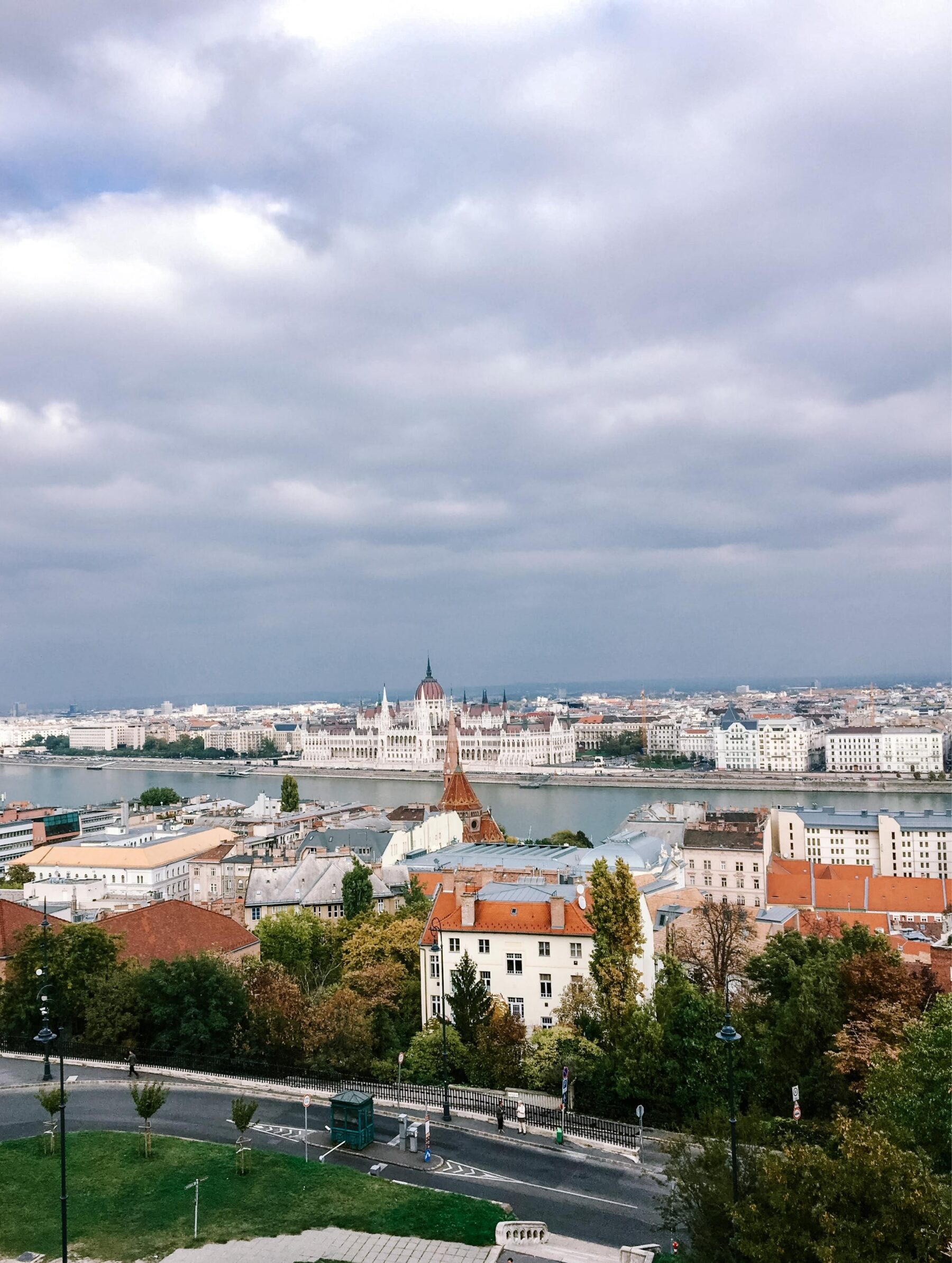
Hungarian Parliament Building — one of the most architecturally stunning government buildings in the world, sitting directly on the Danube. Tours of part of the interior are available and worth booking. The view of the building from the Buda side of the river at night is one of the best in Budapest.
Fisherman’s Bastion and Matthias Church — the fairy-tale terrace on the Buda hillside offers the best panoramic views of the Pest skyline and the Parliament across the river. The adjacent Matthias Church dates to the 14th century and has one of the most ornate interiors in Hungary. Go at sunrise for the best light and fewest crowds.
Buda Castle and Castle Hill — the historic castle district on the Buda side is a UNESCO World Heritage Site and a half-day on its own. The castle houses two museums and the views from the hilltop terrace are spectacular.
St. Stephen’s Basilica — one of the most important religious buildings in Hungary and home to the mummified right hand of Hungary’s first king. Climb to the dome for sweeping views over central Pest. In December, the Christmas market surrounding the basilica is one of the highlights of the entire city.
Heroes’ Square (Hősök tere) — the monumental square at the end of Andrássy Avenue is flanked by two museums and features statues of the seven chieftains who led the Magyar tribes into the Carpathian Basin. One of the most photographed spots in Budapest.
Budapest Christmas Markets — if you are visiting in winter, the Christmas markets here are not to be missed. The main markets around Vörösmarty Square and St. Stephen’s Basilica are among the largest in Central Europe with hundreds of stalls, mulled wine, local food, and live entertainment. We went this past winter and the scale and atmosphere genuinely surprised us — easily rivals the markets in Vienna and Strasbourg.
Ruin Bar Crawl — the Jewish Quarter (District VII) deserves at least one dedicated evening. Start at Szimpla Kert, work your way through the surrounding streets, and end the night at Füge Udvar. This neighborhood is completely unique and one of the best nightlife experiences in Europe.
THE BEST DAY TRIPS FROM BUDAPEST
Vienna, Austria — 2.5 hours by train and one of the great European capitals. Easy as a day trip or worth an overnight stay. The contrast between Budapest and Vienna makes the pairing genuinely interesting.
Prague, Czech Republic — four hours by train and another city Seth knows intimately from his tour guiding days. The two cities together make one of the best Central European itineraries you can do. Read our full Prague city guide for everything you need.
Eger — two hours by train and home to one of the most scenic castle towns in Hungary. Famous for its red wine (Egri Bikavér, or Bull’s Blood) and Ottoman-era architecture. A great half-day or full-day trip.
Lake Balaton — Central Europe’s largest lake is about 90 minutes from Budapest and a popular summer escape. Good for a beach day, cycling, and wine from the surrounding vineyards.
GETTING AROUND BUDAPEST
Budapest has an excellent public transport system — metro, trams, and buses cover the whole city and tickets are cheap. The metro is the fastest way across Pest and the M1 line running along Andrássy Avenue is the oldest underground railway in continental Europe. For rideshare, Bolt is the best option — widely available and cheaper than Uber across the city.
SAFETY IN BUDAPEST
Budapest is a very safe city and we have always felt completely welcome here. The main things to watch for are pickpockets in tourist-heavy areas — the baths, Heroes’ Square, and busy metro stations — and the occasional overpriced tourist restaurant near the main sights. Check menus for prices before sitting down, use ATMs rather than exchange booths, and keep your bag secure in crowds. Beyond that, Budapest is an easy and comfortable city to explore and the locals are genuinely warm and welcoming.
ETIAS — WHAT AMERICAN TRAVELERS NEED TO KNOW
From late 2026, American travelers will need ETIAS authorization before visiting Europe, including Hungary. It takes around 10 minutes to apply and costs €20. Read our complete ETIAS guide for everything you need to know.
FREQUENTLY ASKED QUESTIONS ABOUT THINGS TO DO IN BUDAPEST
How many days do you need in Budapest?
Three to four days is the ideal amount of time for a first visit. That gives you enough time to do the baths, explore the ruin bar scene, walk the main sights on both sides of the river, and take a day trip. Two days is doable but you will leave with a list of things you did not get to.
Is Budapest cheap to visit?
Yes — Budapest is one of the best value cities in Europe. A meal at a good restaurant runs €10–15 per person. A beer at a ruin bar costs around €2–3. Thermal bath entry is typically €15–25. You can have a genuinely excellent trip here on a modest daily budget, which is part of what makes it so easy to recommend.
What are the best ruin bars in Budapest?
Szimpla Kert is the original and still the best starting point. Füge Udvar is our personal favorite — a beer garden up top and a massive underground labyrinth of bar rooms and games below. Instant-Fogas is the best option for a bigger night out. All three are within walking distance of each other in District VII.
Which Budapest thermal baths should I visit?
Széchenyi is the most famous and the most complete experience — three outdoor pools, a dozen indoor options, and the full Neo-Baroque architecture. Rudas is a great alternative on the Buda side with a rooftop pool and slightly fewer crowds. Book ahead for both, especially in summer.
Is Budapest worth visiting in winter?
Absolutely. The Christmas markets around Vörösmarty Square and St. Stephen’s Basilica are among the best in Europe — we went this past winter and were genuinely impressed by the scale and atmosphere. The thermal baths are also especially good in cold weather. Crowds are lower and prices are better than the summer peak.
What currency does Budapest use?
Budapest uses the Hungarian Forint (HUF). Withdraw local currency from an ATM on arrival for the best rates. Some places accept Euros but at worse exchange rates than you would get with Forint.
MORE FROM THE JET LAG JOURNEY
Budapest and Prague make one of the best two-city combinations in Central Europe — read our complete Prague city guide for everything you need. Planning a bigger European trip? Our guide to how to plan a trip to Europe covers all the logistics from start to finish. For more on what it actually costs to travel Europe long-term, read our 3 months in Europe budget guide. And if you are planning an extended stay, our Nomad Planner has cost-of-living data and a Schengen tracker built for long-term travel across Europe.