Belfast is one of the most underrated cities in the British Isles and a place that rewards visitors who approach it with curiosity. The things to do in Belfast span world-class museums, a thriving food and cocktail bar scene, one of the most historically significant shipyards in the world, and a political history that is told nowhere better or more honestly than here. Belfast has changed dramatically in the past thirty years and the city you visit today is confident, creative, and genuinely welcoming — a completely different place from its reputation of decades past.
This complete guide covers everything you need for your visit — when to go, where to stay, the best restaurants and bars, and the top things to do in Belfast.
BEST TIME TO VISIT BELFAST
Belfast is a year-round city. Summer (June through August) brings the longest days and the best weather for exploring the surrounding coastline — the Causeway Coastal Route and the Giant’s Causeway are at their best in summer. Spring and autumn are excellent with fewer tourists and lower prices. Winter in Belfast is cold but the city has a strong pub and restaurant culture that thrives when it is grey outside.
HOW TO GET TO BELFAST
Belfast has two airports — George Best Belfast City Airport (BHD), close to the city centre, and Belfast International Airport (BFS), about 30 minutes by bus. Both have connections to UK and European cities. From Dublin, the Enterprise train runs directly to Belfast Central in about 2.5 hours and is the most comfortable and scenic option.
Pro Tip: Grab an eSIM before you travel. Saily is our go-to — use code THEJETLAGJOURNEY25 for 25% off. Airalo is a great alternative (code JLJ10 for 10% off).
CURRENCY AND TIPPING IN BELFAST
Belfast is in Northern Ireland, which is part of the United Kingdom — so the currency is British Pounds (GBP), not the Euro. This surprises some visitors. Card payments are accepted almost everywhere. Tipping follows UK norms — 10 to 12.5 percent at sit-down restaurants, rounding up at bars.
WHERE TO STAY IN BELFAST
The Cathedral Quarter is the best area for first-time visitors — close to the Titanic Quarter, the best bars and restaurants, and well connected to the rest of the city. The city centre around Donegall Square is also a strong option for convenience and transport links.
Luxury: The Grand Central Hotel on Bedford Street — the tallest hotel in Ireland with panoramic views from the Observatory bar at the top.
Mid-range: Ten Square Hotel in the city centre is excellent value for its location and quality.
Budget: Global Village Backpackers in the Cathedral Quarter is a well-run budget option close to everything.
WHERE TO EAT IN BELFAST
Belfast’s food scene has transformed remarkably over the past decade and now has a strong independent restaurant culture built around Northern Irish produce — grass-fed beef, Strangford Lough oysters, Comber potatoes, and excellent seafood from the surrounding coastline.
The Muddlers Club — one of the best restaurants in Belfast, in a beautiful Georgian building in the Cathedral Quarter. Modern Irish cooking with a strong focus on local produce and excellent wine.
Ox — the flagship of Belfast fine dining, with a Michelin-starred menu built around local ingredients and a focused, elegant approach. Book well ahead.
St George’s Market — the Victorian covered market on May Street is one of the best markets in Ireland, open Friday, Saturday, and Sunday mornings. Fresh seafood, local produce, street food, and live music on Sundays. An essential Belfast experience.
WHERE TO DRINK IN BELFAST
Belfast’s cocktail bar and craft beer scene has grown enormously and the Cathedral Quarter in particular has a brilliant concentration of bars. The traditional pub scene is also strong — Belfast pubs are warm, unpretentious, and welcoming in the best Northern Irish tradition.
The Duke of York — a classic Belfast pub in the Cathedral Quarter with a famous covered alley entrance. One of the most atmospheric pubs in the city.
Dirty Onion and Yardbird — a wood-fired food and craft beer bar in a 200-year-old building in the Cathedral Quarter. A great spot for an afternoon drink in the outdoor courtyard.
Kelly’s Cellars — one of the oldest pubs in Belfast, established in 1720, with traditional music sessions and a genuinely historic atmosphere.
BEST THINGS TO DO IN BELFAST
The things to do in Belfast are some of the most genuinely interesting and thought-provoking of any city in Ireland or the UK. These are the experiences we recommend to everyone.
Titanic Belfast — the world’s largest Titanic visitor experience, built on the exact slipways where the ship was constructed. The museum is genuinely extraordinary — nine galleries covering the design, construction, launch, and sinking of the Titanic, told with remarkable honesty and detail. One of the best museums in these islands. Book in advance.
Political Murals and Black Taxi Tour — the political murals of West Belfast are one of the most powerful open-air art and history experiences in Europe. The murals on the Falls Road and Shankill Road tell the story of the Troubles with a directness and complexity you will not find in any museum. A Black Taxi tour with a local guide is the best way to understand what you are looking at — drivers from both communities offer tours and the perspective is invaluable.
Cathedral Quarter Walking Tour — the Cathedral Quarter is the historic and creative heart of Belfast. The Victorian architecture, the covered entries (narrow alleyways similar to Edinburgh’s closes), and the concentration of independent bars and restaurants make it the most interesting neighbourhood in the city to explore on foot.
St George’s Market — the covered Victorian market is open Friday through Sunday and is the best place in Belfast to experience local food culture, meet producers, and eat well for very little money. The Sunday City Food and Garden Market is the most lively.
Botanic Gardens and Ulster Museum — the Palm House in the Botanic Gardens is a beautiful Victorian glasshouse and the adjacent Ulster Museum is free entry with excellent collections covering Irish art, history, and natural history.
BEST DAY TRIPS FROM BELFAST
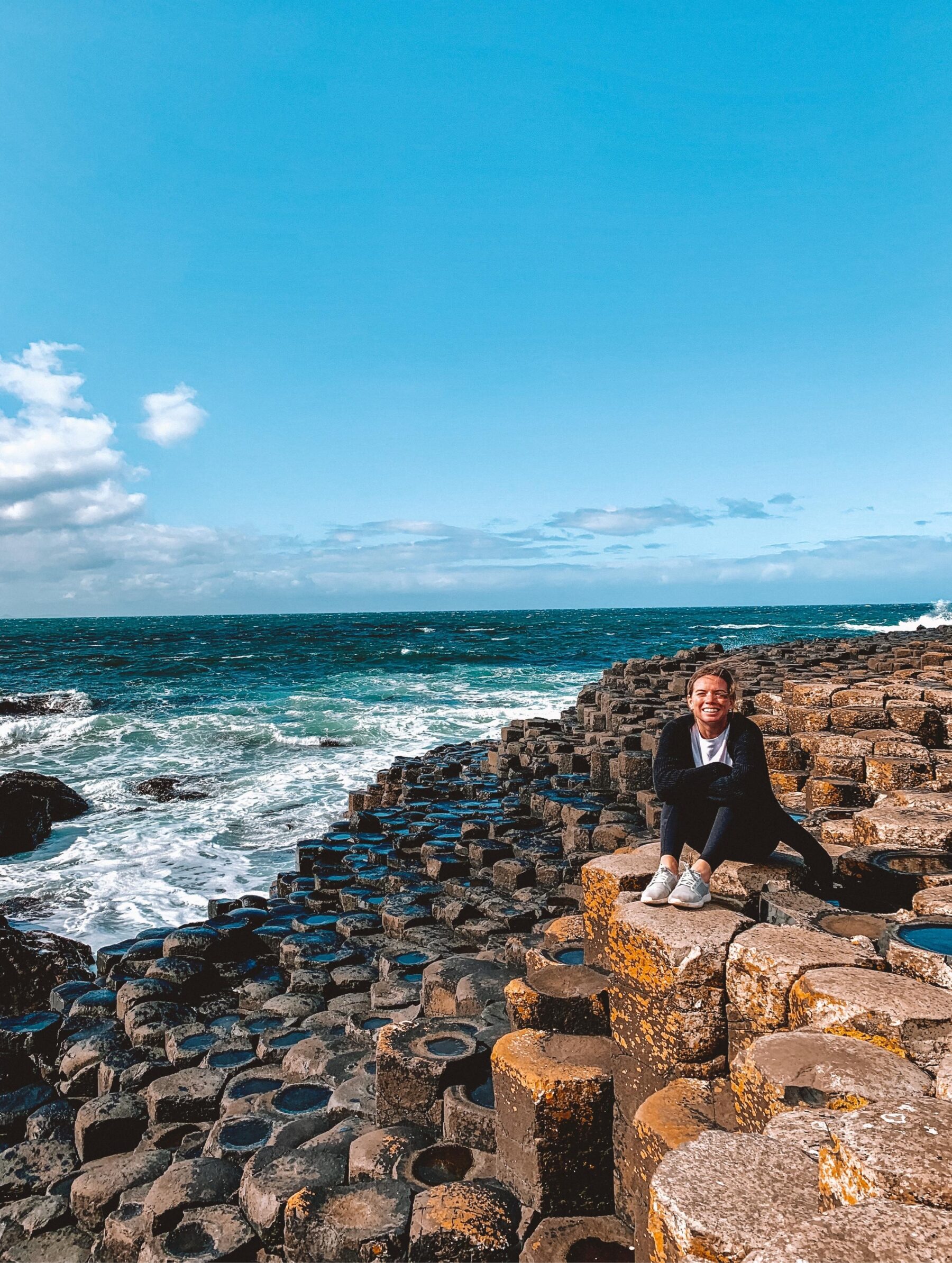
Giant’s Causeway — about 90 minutes by bus from Belfast, the UNESCO-listed basalt columns are one of the great natural wonders of the British Isles. The Causeway Coastal Route along the Antrim coast is one of the most spectacular coastal drives in Europe — take the scenic road rather than the motorway.
Carrickfergus Castle — a well-preserved Norman castle on the shore of Belfast Lough, about 30 minutes by train. One of the best medieval castles in Ireland and easily combined with a walk along the waterfront.
The Titanic Trail by Car — combine Carrickfergus, the coastal villages of the Antrim coast, and the Glens of Antrim for a full day on the coast north of Belfast.
ETIAS — WHAT AMERICAN TRAVELERS NEED TO KNOW
Belfast is in Northern Ireland, which is part of the UK — ETIAS does not apply. The UK has its own Electronic Travel Authorisation (ETA) for visa-free visitors including Americans — apply online for £10 before your trip. For trips combining Belfast with the Republic of Ireland or mainland Europe, read our complete ETIAS guide.
FREQUENTLY ASKED QUESTIONS ABOUT THINGS TO DO IN BELFAST
Is Belfast worth visiting?
Absolutely — it is one of the most interesting and underrated cities in the British Isles. The Titanic museum alone justifies the trip, and the political murals, the food scene, and the warmth of the people make it a genuinely rewarding visit. Most people who go to Belfast wish they had gone sooner.
How many days do you need in Belfast?
Two to three days covers the main things to do in Belfast comfortably — Titanic Belfast, the political murals tour, St George’s Market, the Cathedral Quarter, and a day trip to the Giant’s Causeway. Pair it with Dublin and Galway for a comprehensive Ireland trip — read our 7 day Ireland itinerary for inspiration.
Is Belfast safe?
Yes — Belfast is a safe city to visit. The sectarian tensions that defined the city during the Troubles are part of its history, not its present. The political murals in West Belfast are visited safely by thousands of tourists every year. The city centre and Cathedral Quarter are relaxed and welcoming at all hours.
What currency does Belfast use?
Belfast uses British Pounds (GBP), not the Euro. Northern Ireland is part of the UK. If you are crossing the border from the Republic of Ireland you will need to switch currencies — ATMs in Belfast dispense pounds.
Is the Giant’s Causeway worth visiting from Belfast?
Yes — it is one of the great natural wonders of the British Isles and the Causeway Coastal Route drive is spectacular. Allow a full day if you are going by public transport. By car you can combine it with the Carrick-a-Rede rope bridge and the Dark Hedges for an outstanding day on the Antrim coast.
MORE FROM THE JET LAG JOURNEY
Combining Belfast with the rest of Ireland? Read our complete guides to things to do in Dublin and things to do in Galway, and our 7 day Ireland itinerary. For planning your full European trip, our guide to how to plan a trip to Europe covers everything.