
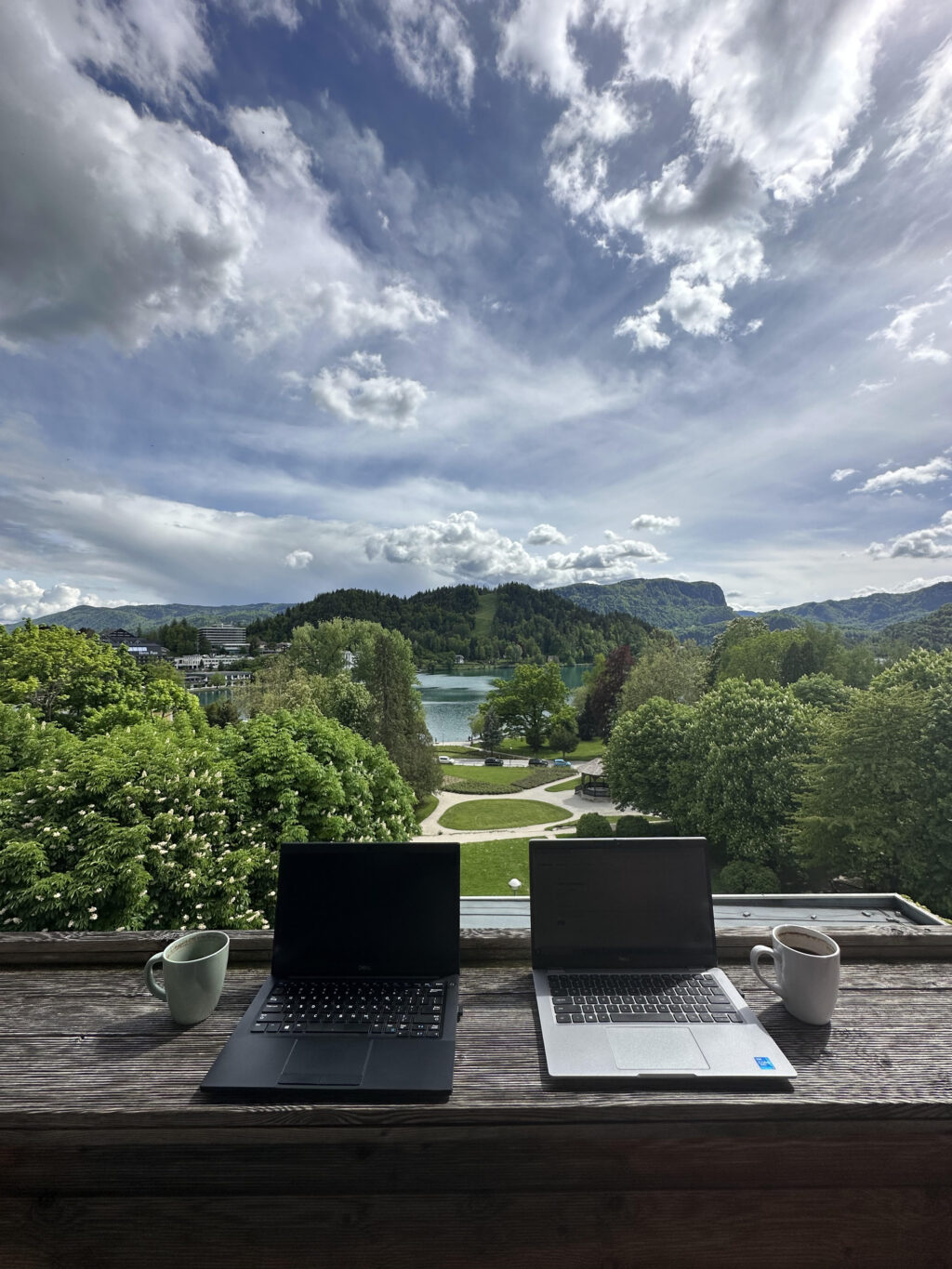
If you are searching for the best European cities for digital nomads, you have probably already spent too long reading lists full of cities that the writer has never actually worked from. We have. Over the past several years, Seth and I have worked remotely from more than ten cities across Europe — from a week-long stay in Sofia to four months spread across Split over three years. These are the cities we keep coming back to, and the ones we genuinely recommend to anyone trying to figure out where to base themselves next.
We run our days on US East Coast hours from wherever we are in the world, which means we know firsthand how important a reliable morning routine, great wifi, and a comfortable workspace are before the laptop opens. Below is our honest breakdown of each city — what works, what does not, and what makes each one worth considering for your next remote stint.
And if you are still trying to nail down your route, track your Schengen days, or compare rent across cities, our Travel Planner has real rent data for 78 cities and a built-in Schengen compliance tracker that warns you before you overstay.

Before you leave home, grab an eSIM so you have data the moment you land. Saily is our go-to — use code THEJETLAGJOURNEY25 for 25% off. We also love Airalo (code JLJ10 for 10% off) as a great alternative.
From Q4 2026, American travelers will need to apply for ETIAS before visiting Europe. It takes 10 minutes and costs €20. Read our complete ETIAS guide for everything you need to know.
THE BEST EUROPEAN CITIES FOR DIGITAL NOMADS
1. SPLIT, CROATIA
One of the best European cities for digital nomads is Housing cost: ~90–$140/night (affordable off-season, average in peak summer)
Split is one of our two favorite cities in the entire world, and we have spent four months here spread across three years. It keeps pulling us back — and once you spend real time here, you will understand why.
One of the first things we tell anyone planning to work remotely from Split is to time it right. July and August are peak season, which pushes housing prices up significantly and makes finding a comfortable apartment harder on short notice. If you can, aim for May, June, September, or October — the weather is still stunning, the city is far less crowded, and a larger apartment becomes much more affordable. That extra space matters when two people are both taking meetings.
Since we work East Coast hours, we do not log on until early afternoon local time, which gives us every morning free. We have made it a ritual to start our days with the coastal walk — a beautiful stretch of seafront path with swim spots along the way. There is genuinely nothing better than an early morning swim before a full afternoon of work. If you need a café with wifi that does not require going inside, there are several outdoor spots near the yacht harbor where you can work while watching the boats — and the endless parade of people while dreaming of being on one.
We have also made real friends in Split over the years — at restaurants, bars, and through the local sailing community. It is that kind of city. Read our full Split city guide for where to eat, drink, and explore. And if you are considering sailing the Croatian coast while you are based here, our 7-day Croatia sailing itinerary is a great place to start.
2. FLORENCE, ITALY
Housing cost: $140+/night (housing has become notably expensive over the past few years)
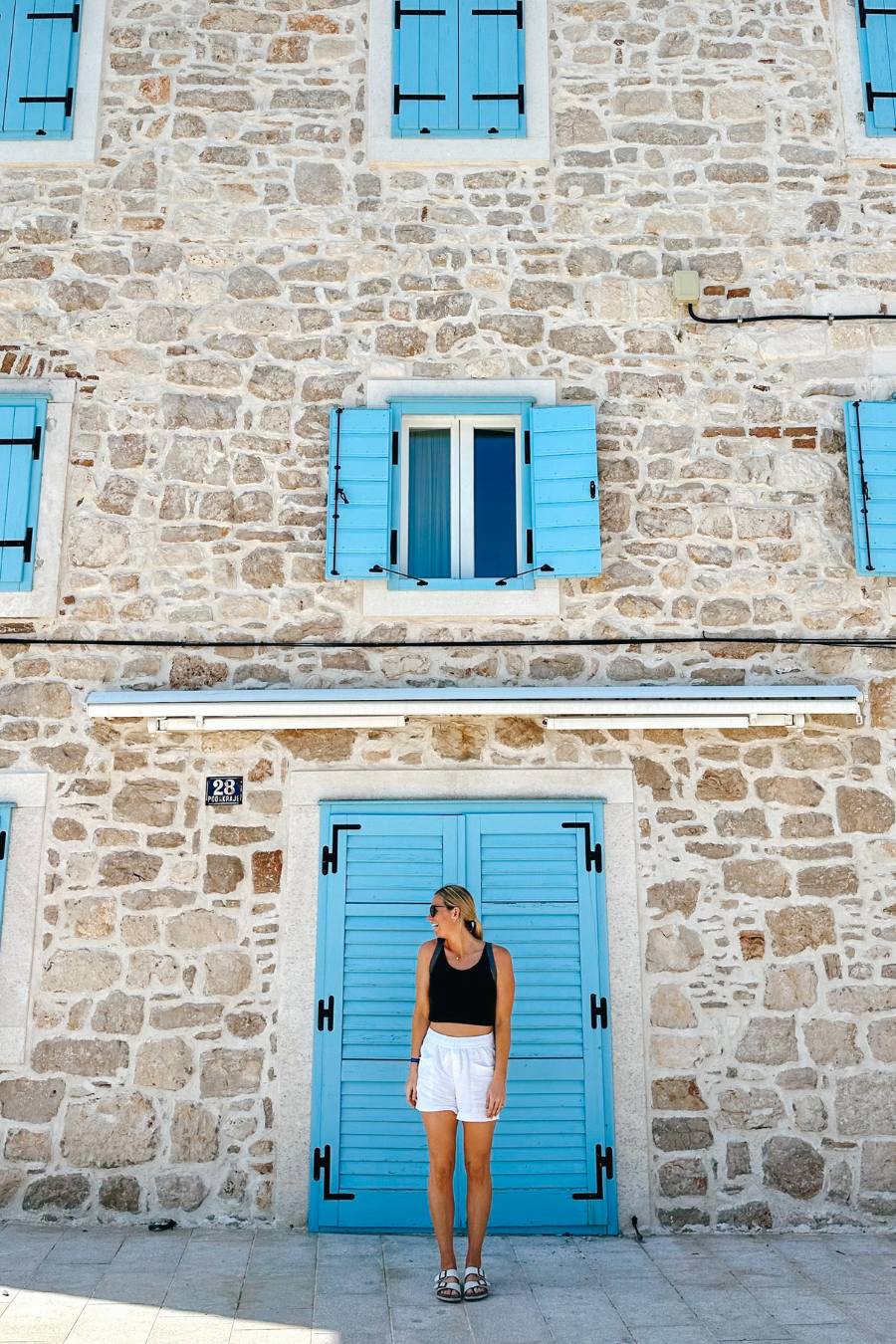
Florence is the other city that holds a joint top spot for us. We have spent three months here in total over the last three years, and we have watched the cost of housing climb significantly over that time. It is now firmly in the expensive column for short-term stays, so go in with eyes open on accommodation — it is worth it, but budget accordingly.
Everything else Florence delivers in full. There is a café on practically every other corner with solid wifi, so if your apartment feels too small for two people to work simultaneously, you have excellent options within minutes. Our go-to when we want to actually enjoy the workday is The Lion’s Fountain — it has great wifi during the day, a large outdoor area lined with tables, and a relaxed energy perfect for a long work session with first-class people watching and a cold pint. Seth spent over two years in Florence working as a tour guide, and The Lion’s Fountain became a fixture for a very good reason.
Florence is one of those cities where the environment makes you want to work harder so you can finish and go explore. The food alone is worth the trip — read our Florence food guide and the full Florence bars guide before you arrive.

3. SOFIA, BULGARIA
Housing cost: ~$80/night (genuinely cheap — you get a lot of space for the money)
Sofia is one of the best value cities we have worked from anywhere in Europe. We spent a week here and the housing was low enough that we could get a large Airbnb where we each had our own dedicated workspace — no negotiating over the kitchen table, no one muting their microphone so the other can be heard on a call. The wifi was excellent throughout.
Sofia does not get nearly the attention it deserves as a nomad destination. It is increasingly on people’s radar, but it still has that undiscovered quality that makes it feel like a genuine find. If you are looking to stretch your budget while keeping productivity high, this is one of the strongest options on the continent. The only downside is that it is an additional hour ahead of the east coast, so the workday changes to ending at midnight.
4. BRATISLAVA, SLOVAKIA
Housing cost: ~$80/night (very affordable, especially for the quality of accommodation)
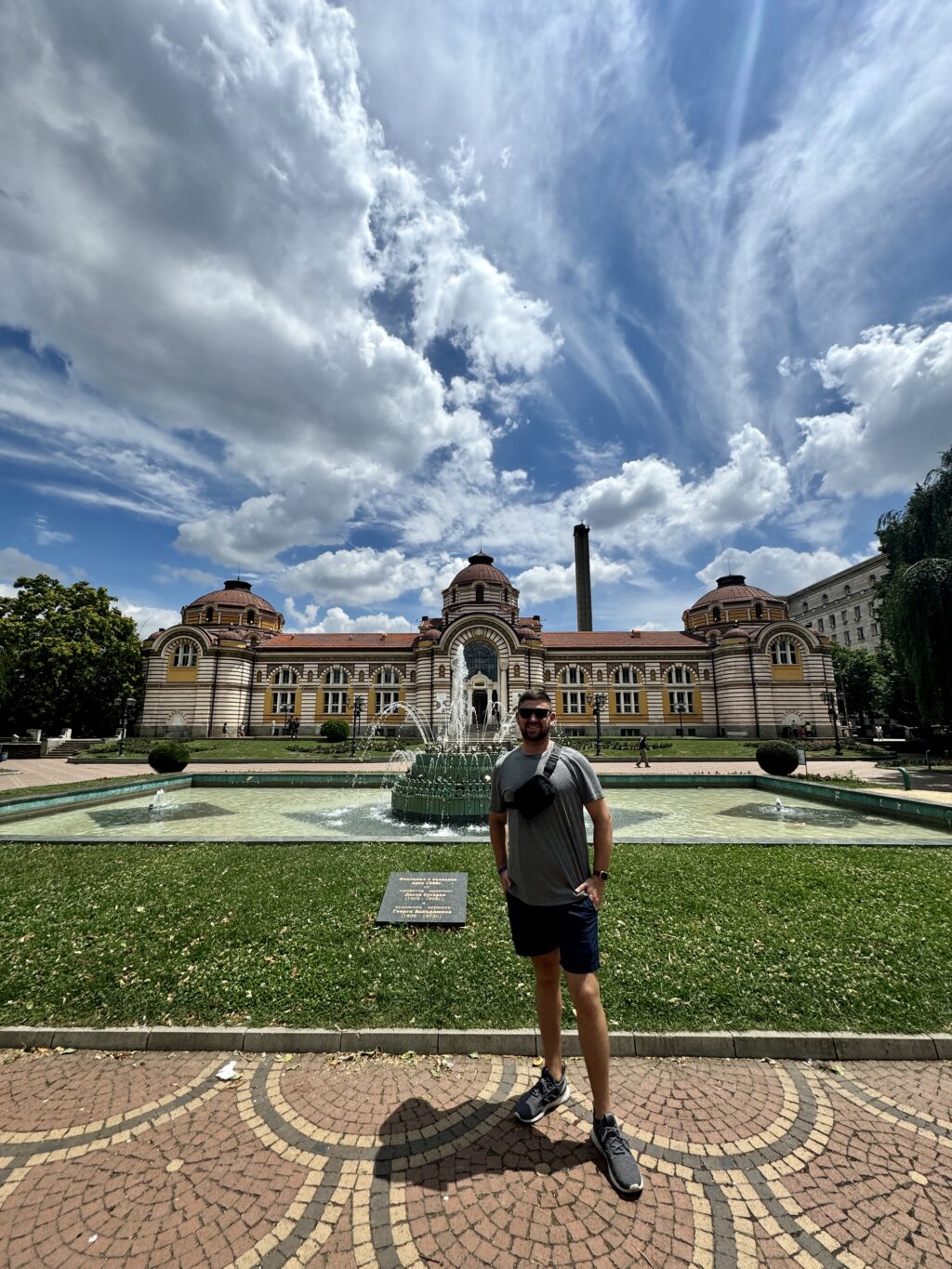
Bratislava truly surprised us — and it is one of the cities we talk about most when people ask for underrated European destinations. We spent ten days here and came away genuinely charmed. The city is compact, walkable, beautiful in summer, and far more affordable than its neighbors. Housing is very reasonable, and there are cafés with outdoor tables throughout the old town where you can work outside on call-light days.
The parks in Bratislava deserve a mention too — they are lovely, and some have benches and outdoor tables that work fine for a productive hour or two with fresh air. It is that kind of city: easy, manageable, and full of unexpected charm.
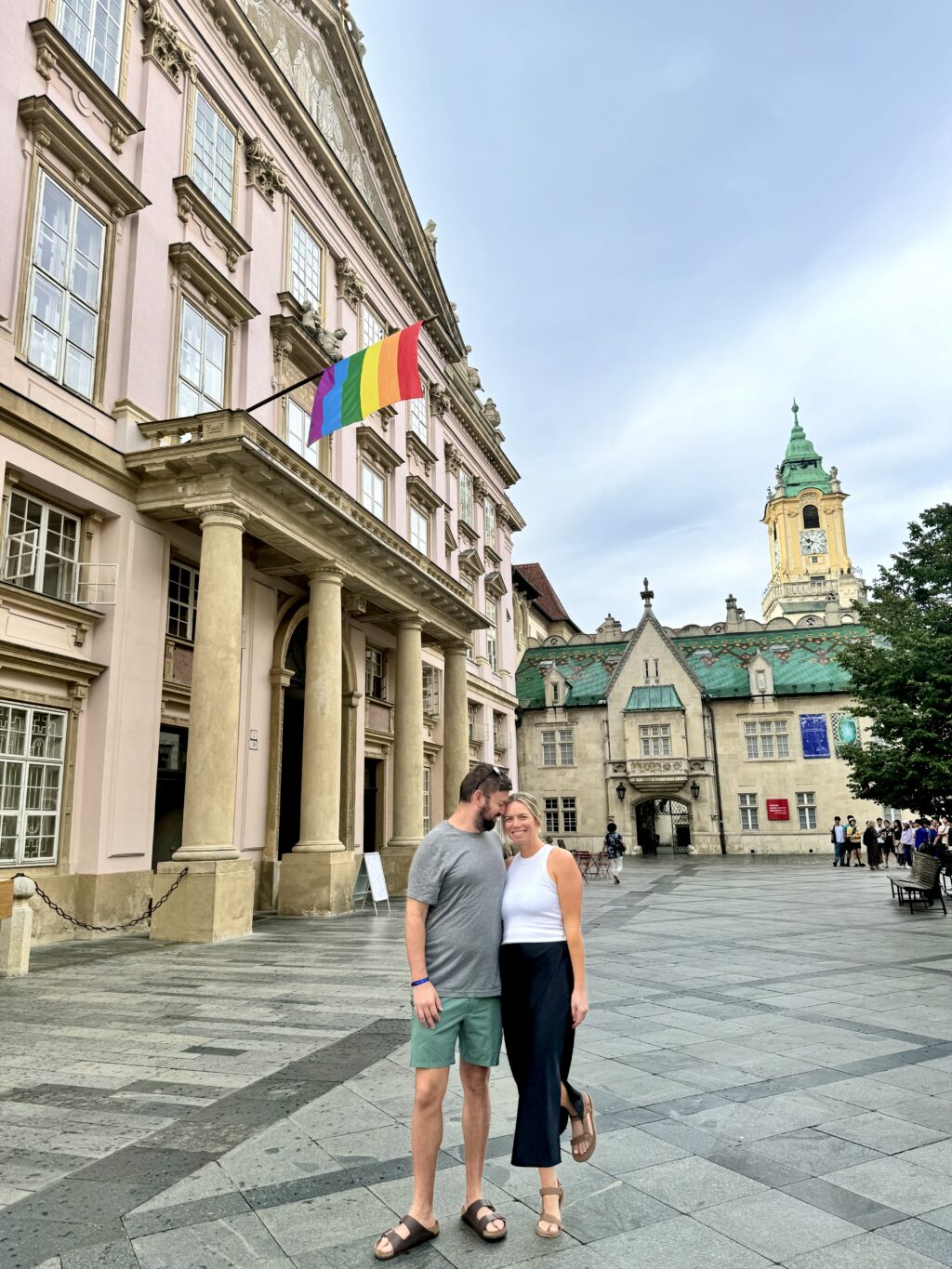
Here is what we did not expect: we made real friends with bartenders at multiple spots around the city, and liked it enough that we came back the following year specifically to visit them. It truly is a mini Prague — the architecture, the vibe, the old town energy — without the tourist crowds or the price tag. If you have not considered Bratislava for a remote work stint, put it on the list.
Pro Tip: Bratislava is a short train ride from Vienna, so it is easy to combine both cities into a longer stay while keeping your accommodation costs anchored in Slovakia.
5. VALLETTA, MALTA
Housing cost: ~$110/night (average — but you get excellent value for the size)
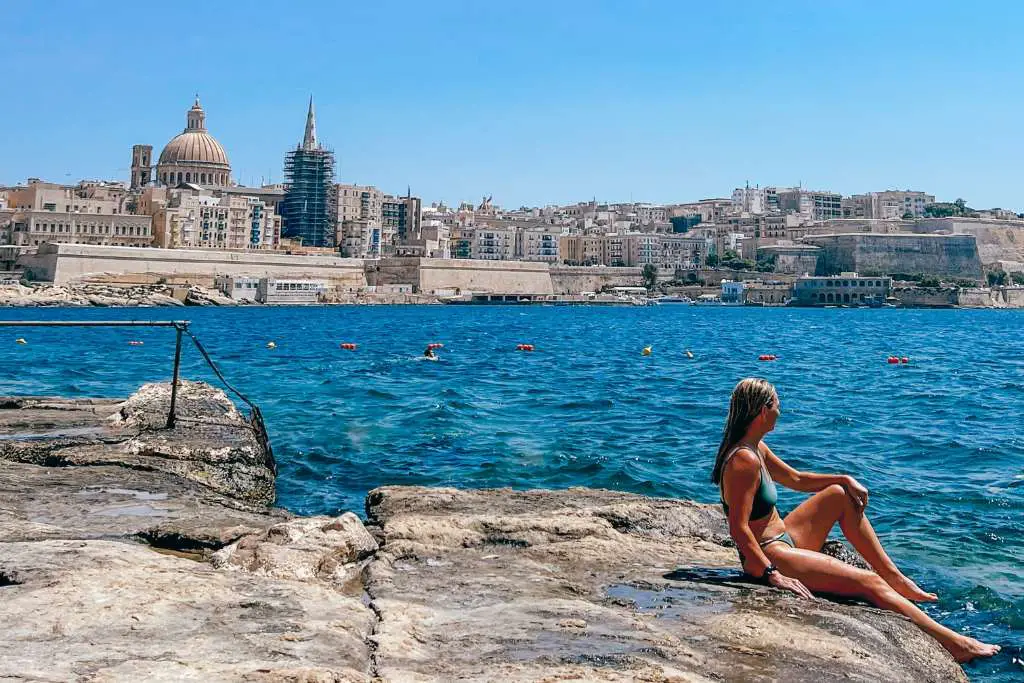
Malta gets overlooked as a remote work destination, and we genuinely do not understand why. We spent ten days in Valletta and our Airbnb was massive for what we paid — well above average size for the price, with solid wifi, and easily enough space for both of us to take meetings without disturbing each other. English is an official language here, which removes a layer of friction that can come with other European destinations.
What made working from Malta particularly enjoyable was the built-in swim time. We would have a relaxing morning, pop out to the beach for a swim during lunch, and come back refreshed for the afternoon to crush our workday. The Mediterranean is right there, and taking advantage of it becomes part of the daily routine in a way that makes the work feel sustainable rather than just something you are grinding through between travel days.
6. ANNECY, FRANCE
Housing cost: ~$80/night (affordable enough to get something with real outdoor space)
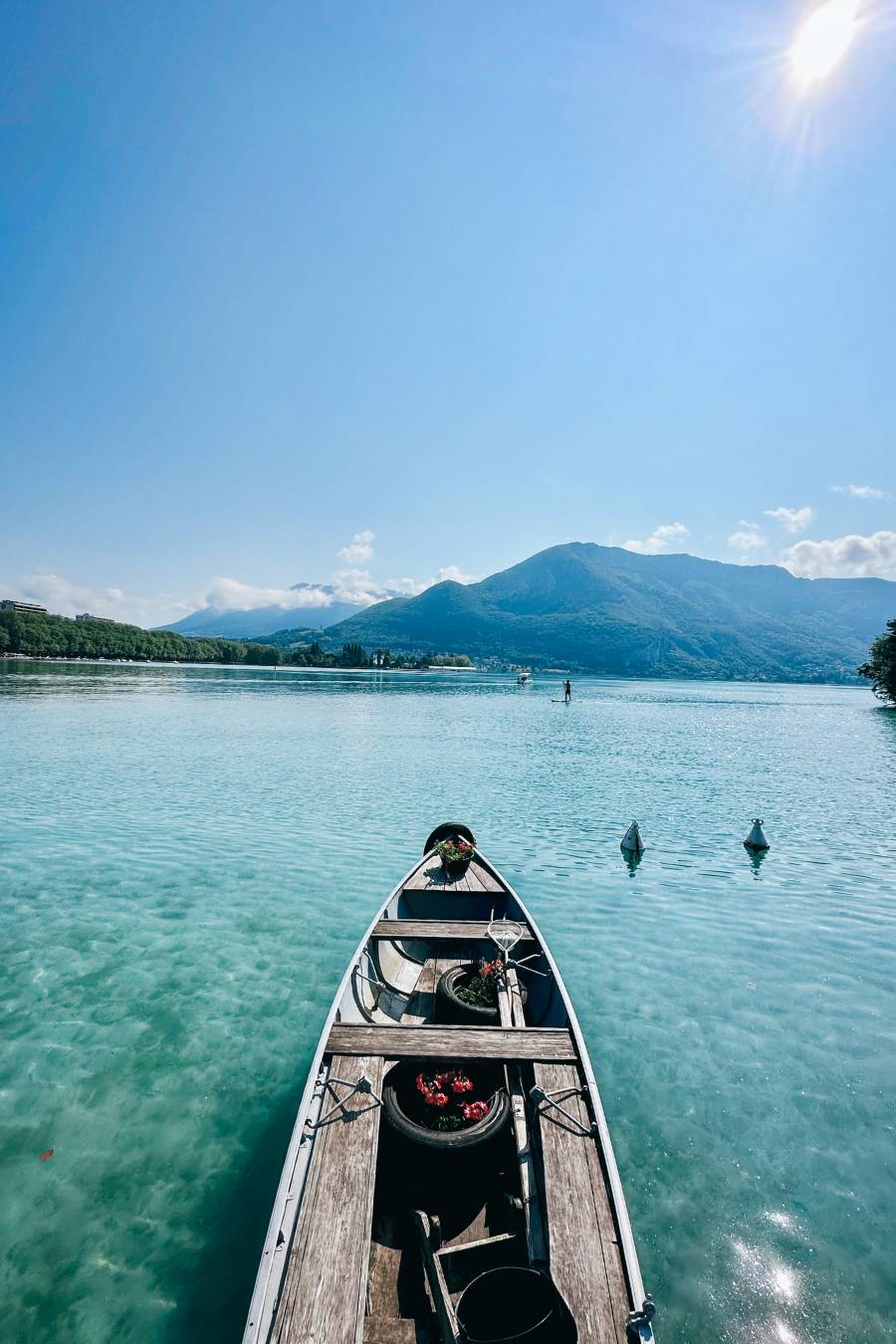
Annecy is one of those places that feels almost too beautiful to be a functional workday backdrop, and yet it works perfectly. We spent a week here and housing was affordable enough that we found an apartment with a balcony table — which immediately became our default workspace. Imagine opening your laptop to a view of the Alps and the lake. It does not get old.
The historic centre of Annecy is genuinely stunning: canals winding through the old town, the Alps rising behind the city, a lake that changes color through the day. If you are the kind of person who works better when your environment is inspiring, Annecy will do a lot of the heavy lifting. It is also very walkable, and the café scene in the old town handles the wifi side well if you ever want a change of scenery.
7. LJUBLJANA, SLOVENIA
Housing cost: ~$110+/night (our apartment was a bit small, though daily costs outside of housing are very low)
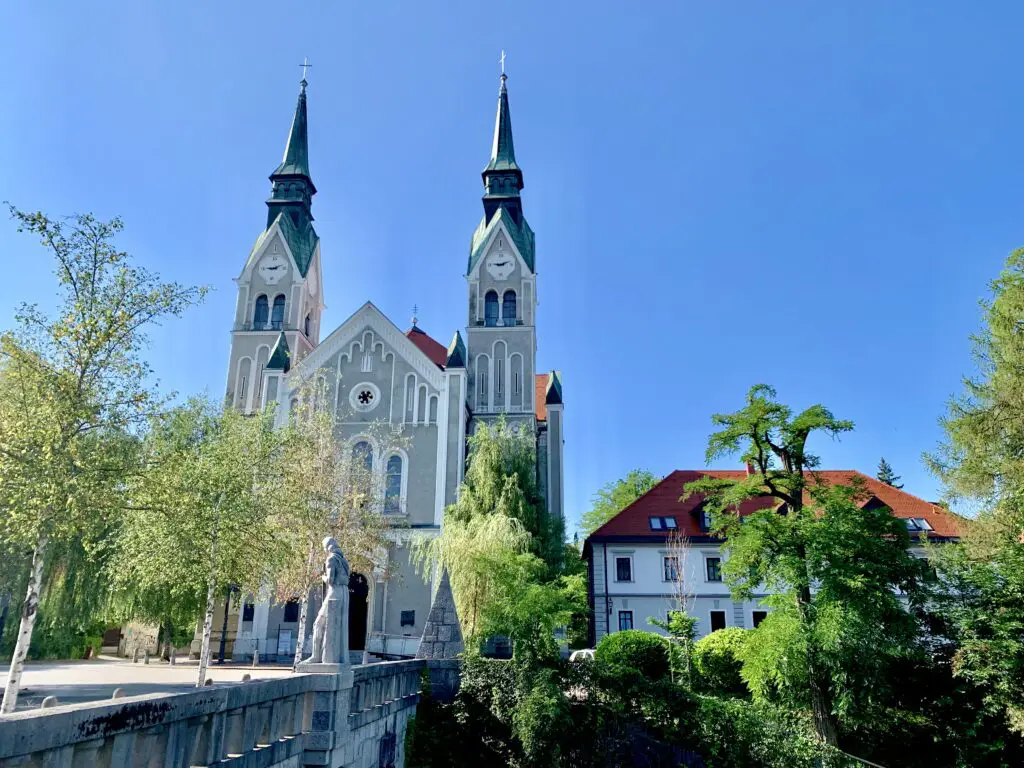
Ljubljana is one of those cities that makes you immediately think: why does no one talk about this place? We spent ten days here and found it to be one of the most livable, walkable, and genuinely pleasant cities we have worked from. Everything outside of accommodation — food, coffee, drinks, local transport — is very affordable, which helps offset the housing cost considerably.
Our apartment was a bit on the smaller side for two people working simultaneously, though we were lucky that our calls did not overlap much. Ljubljana has a fantastic outdoor café culture, and on the days we wanted fresh air and a change of scenery, there was no shortage of wifi-friendly spots with al fresco tables. Working from one of the riverside cafés in the old town on a call-light day is a genuinely great experience — put it on the itinerary.
8. LISBON, PORTUGAL
Housing cost: ~$80–$110/night (more affordable for long-term stays; average for short-term)
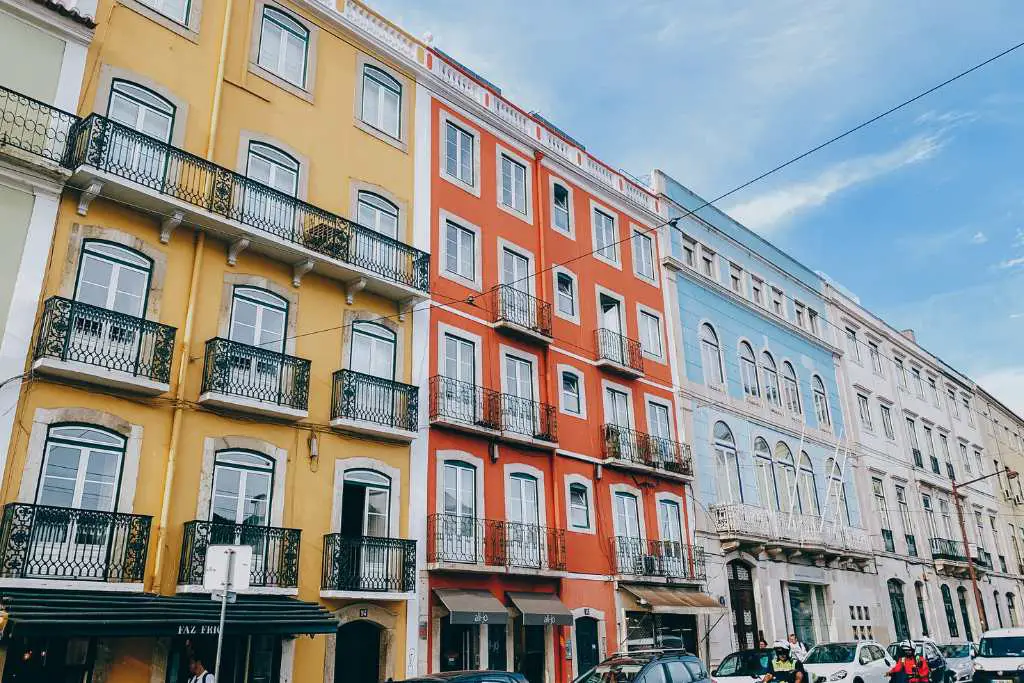
Lisbon has become one of the most popular digital nomad cities in Europe, and there is a clear reason for it. The infrastructure for remote workers is excellent, English is widely spoken, the food is outstanding, and the city has an energy that makes it easy to stay longer than you planned. We spent ten days working here and the whole setup was comfortable and easy from day one.
Worth knowing: short-term Airbnb pricing is more average than cheap, but if you are planning a month or longer, rates come down significantly — making Lisbon one of the better long-term value cities in Western Europe. If your apartment ever feels too small, you will not struggle: there are co-working friendly cafés and great coffee shops at every turn throughout the city.
9. ATHENS, GREECE
Housing cost: ~$80/night (affordable, with good space for two people)
Athens holds a special place for us — Seth proposed here after returning from Mykonos, before we went on our first sailing trip together. Beyond that personal history, it is a genuinely excellent city to work from. We spent a week here with very good wifi, comfortable and affordable housing with enough room to work side by side without issue, and the kind of energy that makes you want to close the laptop and explore the moment your last call wraps up.
Athens is also a natural launch point for Greek island hopping, which makes it a smart base if you want to combine a remote work stretch with some travel. Read our Greek Island Hopping Guide for how to plan the Athens, Santorini, and Mykonos route we know and love.

10. BUCHAREST, ROMANIA
Housing cost: ~$80/night (cheap — similar to Sofia in terms of space and value)
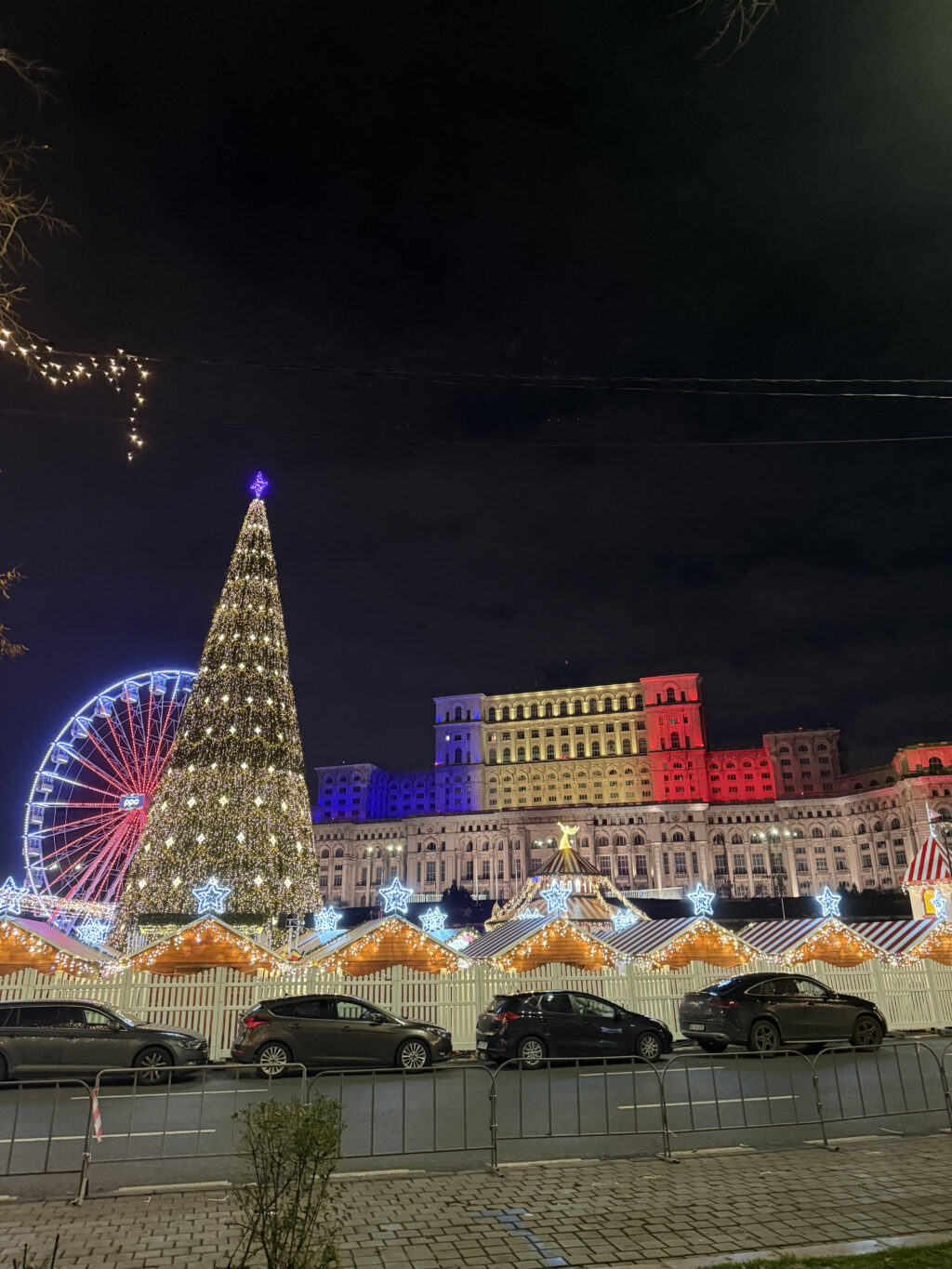
Bucharest shares a lot of the qualities that make Sofia so compelling. We spent a week here in winter during the Christmas markets season, which meant we worked almost entirely from our Airbnb — and the housing was cheap enough that we had a large, comfortable space with no friction. From our time out exploring the city, café culture is strong and wifi availability is high across the board. In warmer months, Bucharest would be an even more enjoyable place to work remotely with access to outdoor spaces and parks. However, similar to Sofia it is an extra hour ahead of East coast time.
If you are prioritizing value above almost everything else, Bucharest and Sofia are the two strongest options in Europe. Both deliver large, well-equipped apartments for around $80/night — hard to beat anywhere on the continent.
HOW TO CHOOSE THE RIGHT CITY FOR YOUR REMOTE WORK STINT
After working remotely across ten European cities, here is how we actually think about picking where to go next:
- If budget is the priority: Sofia, Bratislava, and Bucharest give you the most space and value at roughly $80/night with excellent wifi.
- If you want the best lifestyle balance: Split and Florence are our personal favorites — the food, community, outdoor access, and overall quality of life is unmatched.
- If you want a long-term Western European base: Lisbon is the strongest option, especially once you factor in lower long-term rental rates.
- If you want something beautiful and underrated: Annecy and Bratislava are both genuinely surprising and do not have the tourist saturation of their better-known neighbors.
- If you are working on US East Coast hours: Lisbon leads the group as it is only five hours ahead of Eastern time. However, they are all doable. The mornings are yours before you log on, which makes the coastal walk in Split, the parks in Bratislava, or a swim in Malta a legitimate daily routine — not just a weekend luxury.
If you are tracking Schengen days across multiple countries or comparing monthly costs, our Travel Planner has real rent data for 78 cities, a Schengen tracker that alerts you at 80 days, and a full city comparison tool so you can make this decision with actual numbers. Read our full breakdown of how much 3 months in Europe costs to plan your budget before you go. And check our 10 day Europe trip routes for itinerary inspiration across several of these cities.
No matter where you land, the best European cities for digital nomads share a few things in common: reliable fast WiFi, a thriving café culture, affordable cost of living relative to the US, and a community of other remote workers who have figured out what we have.
FREQUENTLY ASKED QUESTIONS
What is the best European city for digital nomads on a budget?
Sofia, Bulgaria and Bucharest, Romania offer the best combination of low housing costs (around $80/night), spacious apartments, and excellent wifi. Bratislava, Slovakia is a close third and adds the bonus of being one of the most underrated and genuinely charming cities in Central Europe.
Which European cities have the best wifi for remote workers?
From our personal experience, Sofia, Athens, Valletta, and Split all had consistently strong residential wifi. Eastern European cities generally outperform Western Europe on internet speeds. Florence and Ljubljana also had solid connectivity, with great café wifi as a reliable backup wherever the apartment fell short.
Is it hard to work remotely from Europe on US East Coast hours?
It is genuinely one of the best time zone setups for remote workers. Working East Coast hours in Europe means you do not log on until early afternoon local time, which gives you every morning free to explore, exercise, or decompress. We have built morning coastal walks in Split, alpine hikes from Annecy, and Mediterranean beach swims in Malta into our daily routines specifically because of this schedule — it makes a nomad lifestyle in Europe feel genuinely sustainable.
What should digital nomads know about the Schengen Zone?
The Schengen Zone allows 90 days of travel within any 180-day rolling period across most EU countries. If you are planning an extended stay, track your days carefully — overstaying can result in fines and future entry bans. Bulgaria and Romania recently joined Schengen, which changes the calculation for longer trips. Our Travel Planner has a built-in Schengen tracker that alerts you when you are approaching 80 days so you never accidentally overstay.
Do I need ETIAS to work remotely in Europe?
From Q4 2026, American travelers will need to apply for ETIAS before entering most European countries. It is a straightforward online application that takes about 10 minutes and costs €20. Read our full ETIAS guide for everything you need to know before your trip.
How do I plan a multi-city digital nomad trip to Europe?
Start with how long you have and how many Schengen days you can spend. Then map a route that balances logistics with the experience you want — budget anchors like Sofia and Bucharest, lifestyle favorites like Split and Florence, or underrated gems like Bratislava and Annecy. Our 10 day Europe trip routes post is a solid starting point for the route planning side, and the Travel Planner lets you build the full itinerary with real cost data across all destinations.
We hope this helps narrow down your next remote work destination. Whether you are chasing value in Eastern Europe, a world-class lifestyle in Split or Florence, or something beautifully unexpected like Bratislava, Europe has more options than most people realize — and far better ones than most generic lists will tell you. We have personally worked from every city on this list and we stand behind every recommendation here.
Have questions about any of these cities or need help planning your route? Drop them in the comments. And if you are heading to Croatia, check out our complete Split guide — we will see you there.