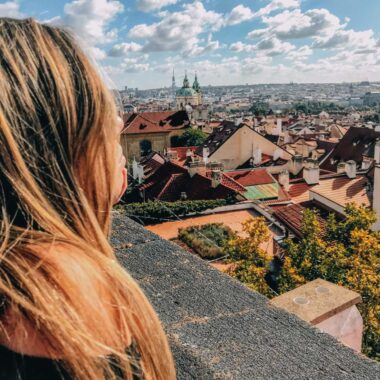

If you ask us, September and October are the best months to travel Europe — these are truly the best European destinations September October has to offer — and we mean that. The best European destinations for September and October offer something the summer crowds never get: warm weather, lower prices, shorter lines, and the feeling that a place actually belongs to you for a little while. We have spent fall months across more than a dozen European countries and these ten destinations stand out as the ones we find ourselves recommending most. Whether you are planning a coastal getaway, a city break, or a full digital nomad stint abroad, this list has something for you.
Before you leave home, grab an eSIM so you have data the moment you land. Saily is our go-to — use code THEJETLAGJOURNEY25 for 25% off. We also love Airalo (code JLJ10 for 10% off) as a great alternative.
From late 2026, American travelers will need to apply for ETIAS before visiting Europe. It takes about 10 minutes and costs €20. Read our complete ETIAS guide for everything you need to know before you book.
THE BEST EUROPEAN DESTINATIONS FOR SEPTEMBER AND OCTOBER
1. DUBROVNIK, CROATIA
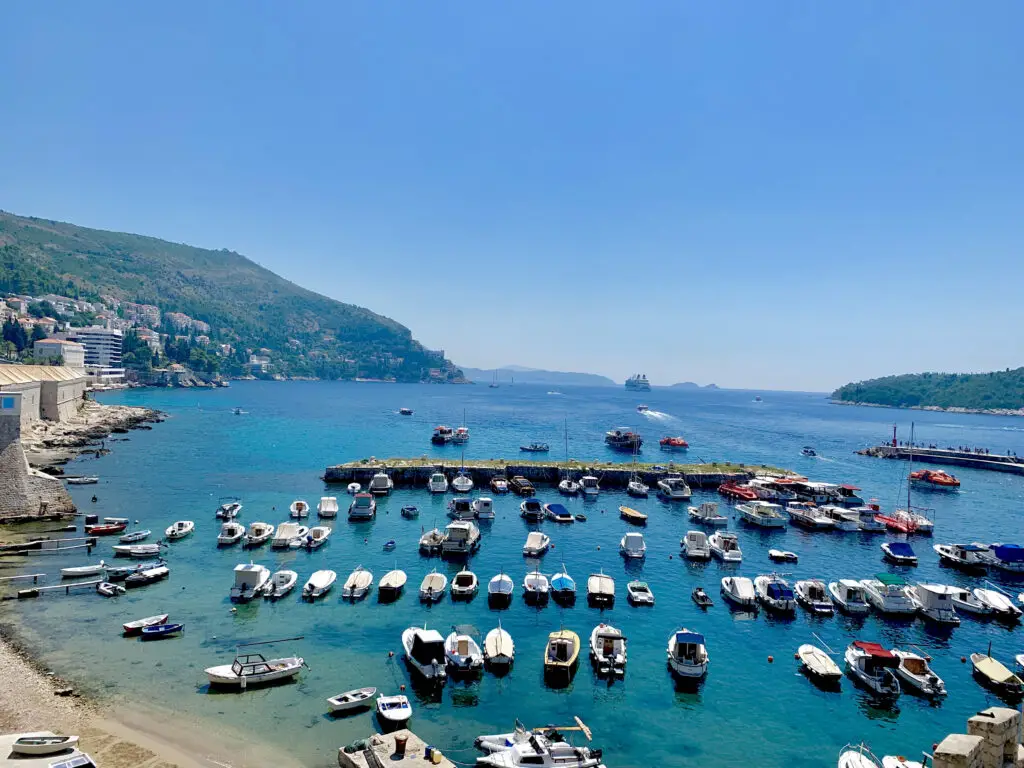
Dubrovnik is one of the best European destinations September October has to offer — the summer crowds are gone but the Adriatic is still warm enough to swim. Dubrovnik in summer is genuinely overwhelming — the cruise ships dock and the old town becomes a wall-to-wall experience that is hard to enjoy. September changes everything. We are actually heading to Dubrovnik this September and the timing is intentional. The Adriatic is still warm enough to swim well into the month, the daily cruise ship traffic starts to thin, and you can walk the city walls in the morning without stopping every ten feet for a photo op.
The old town is one of the most stunning places we have ever seen, and that is not an exaggeration. Walking those walls at golden hour in September, with the sea catching the light below you, is genuinely one of the great European travel experiences. Book your wall tickets in advance even in shoulder season — they still sell out.
If you want to extend into the islands, ferry connections to Hvar and Korčula run through September. Book through Ferryhopper well ahead — even in fall, popular routes fill up quickly.
Pro tip: Take the cable car up Mount Srđ first thing in the morning for the best views of the old town before the heat builds. The summit restaurant has surprisingly good coffee and the views stretch all the way to the islands.
2. SANTORINI, GREECE

Santorini in September and October is one of the best versions of the island. The Aegean is still warm enough to swim, the endless summer crowds start to thin by mid-September, and the light turns golden in a way that makes every photo look effortless. We have spent time on Santorini as part of our Greek island hopping routes and the shoulder season is genuinely our preferred time to visit.
October in particular can feel like you have the island almost to yourself compared to July or August. Restaurants have availability, sunsets over the caldera are easier to actually enjoy without fighting for position, and accommodation prices drop significantly. If you have been putting Santorini off because of the crowds, fall is when it finally makes sense.
Read our full Greek island hopping guide for how to build Santorini into a broader Greece itinerary.
Pro tip: Watch the sunset from Fira instead of Oia — half the crowd, the same caldera view, and you will actually be able to enjoy it.
3. AMALFI COAST, ITALY
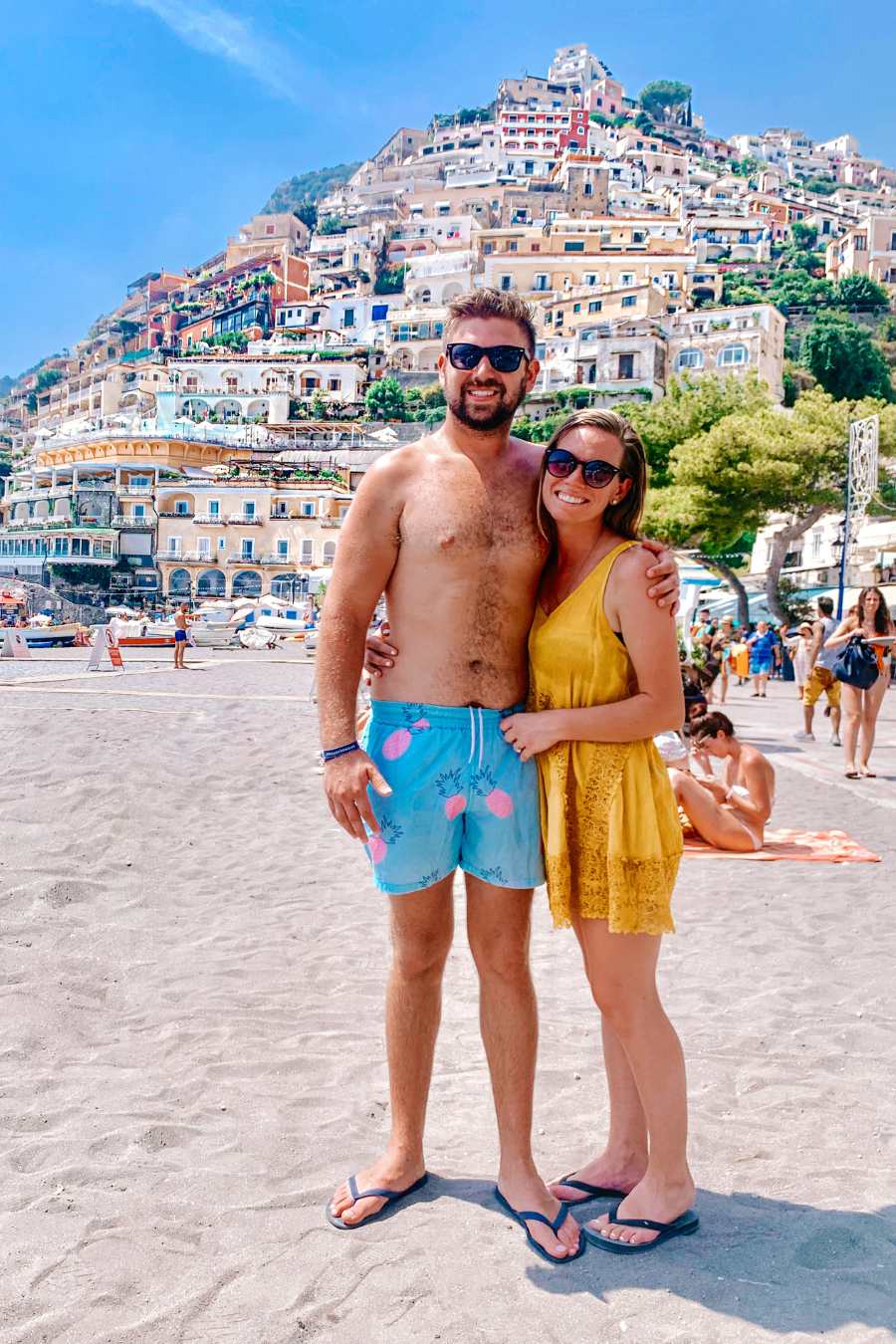
The Amalfi Coast is one of those places where the timing of your visit matters more than almost anywhere else in Europe. Go in July and you will spend half your trip in traffic or shoulder-to-shoulder on narrow paths. Go in September and you get the coast as it is meant to be experienced — the water is still warm enough to swim, the hillside towns are actually walkable, and you can get a table at restaurants without a reservation three weeks out.
Positano, Ravello, and Amalfi town each have their own distinct character and all reward slower exploration. October starts to cool down but is still genuinely beautiful — the light is dramatic, the ferry routes along the coast are less crowded, and the seafood is exceptional all the way through the month.
Pro tip: Stay in Praiano instead of Positano — it sits between Positano and Amalfi town, the views are just as stunning, and it is meaningfully quieter and cheaper. Most people drive right past it.
4. MALTA
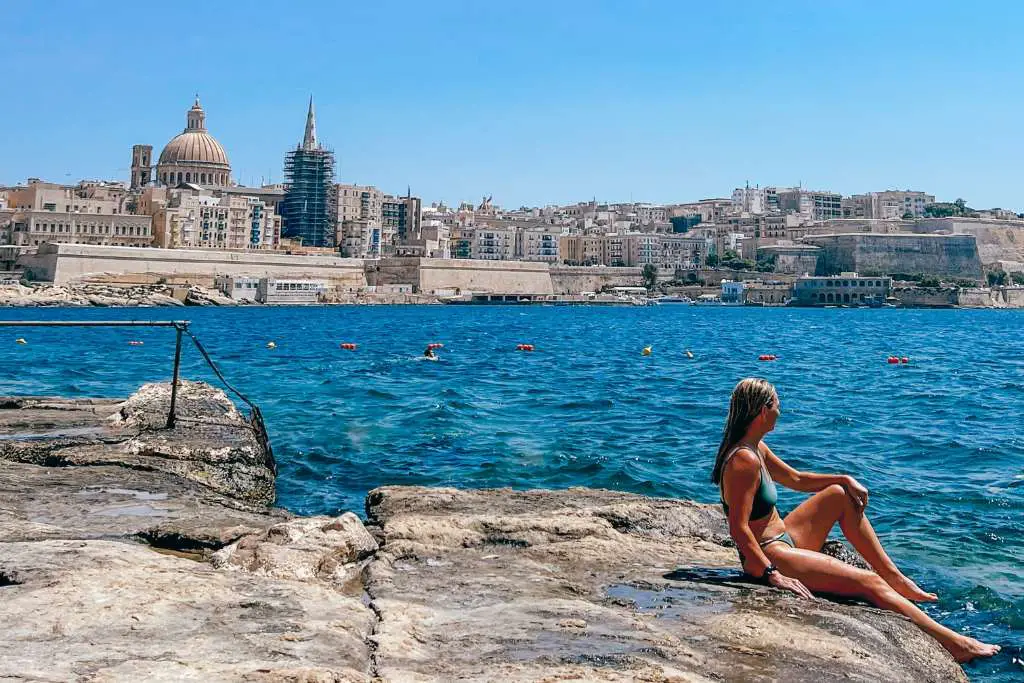
Malta is genuinely one of the most underrated countries in Europe and September through October might be its best season. The Mediterranean here stays warm enough to swim well into October, the island is small enough to explore fully in 4 to 5 days, and the ancient history layered into every street corner makes it unlike anywhere else we have been.
Valletta — one of the smallest capital cities in Europe — is endlessly walkable and genuinely beautiful. Gozo, the sister island reachable by a short ferry, is quieter still and has a rugged, almost otherworldly landscape that rewards a day trip or overnight. Malta is also extremely easy for English speakers, which makes logistics unusually smooth compared to some other European destinations.
Pro tip: Take the ferry across to Gozo for at least one night. Most visitors just do a day trip but staying over gives you the island in the evening when it is truly quiet — a completely different experience.
5. PRAGUE, CZECH REPUBLIC

Prague in late September and October is close to perfect for anyone who loves spending a full day on foot. The temperature sits in that ideal range — cool enough that you can walk for hours without overheating, warm enough that you are not reaching for a winter coat. The summer tourist peak has passed, which means Charles Bridge is actually crossable in the morning without dodging fifty tour groups, and the old town square has a completely different, more relaxed energy.
One thing we did not expect when we visited in early October was the outdoor markets that pop up around the old town. They are not the full Christmas markets that arrive in December, but they have a similar warmth to them — mulled wine, grilled sausages, handmade goods — and feel like a genuinely local thing rather than a tourist production. It was one of those unexpected finds that made the trip feel special.
Prague is also one of the best value cities in Europe at this time of year. Accommodation, food, and activities are all meaningfully cheaper than western European equivalents and the quality is consistently high.
Pro tip: Cross the Charles Bridge at sunrise. It takes about 20 minutes of early alarm clock willpower but you will have one of Europe’s most iconic spots almost entirely to yourself.
6. BUDAPEST, HUNGARY

Budapest sits right alongside Prague as one of our top fall city break recommendations in Europe. The weather in late September and early October is genuinely ideal for the kind of long, unhurried city exploration that Budapest rewards — the ruin bars, the thermal baths, the Danube promenade, the covered market hall. It is the kind of city where you keep finding the next thing to see and the fall temperatures make spending an entire day on your feet feel effortless rather than exhausting.
Like Prague, Budapest in late September has outdoor markets with a pre-Christmas market character — warm drinks, local food, a festive atmosphere without the full December crowds. The thermal baths are genuinely wonderful as the air cools down in October, and the city views from Buda Castle and Fisherman’s Bastion are dramatic in the clear fall light.
Budapest and Prague also pair extremely well together — they are about four hours apart by train and a two-city trip covering both in 7 to 10 days is one of our favorite Europe itinerary combinations.
Pro tip: Book a thermal bath visit for the morning rather than the afternoon — Széchenyi in particular is much calmer before noon and the outdoor pools in the cooler fall air are genuinely one of those travel experiences you will not forget.
7. FLORENCE, ITALY
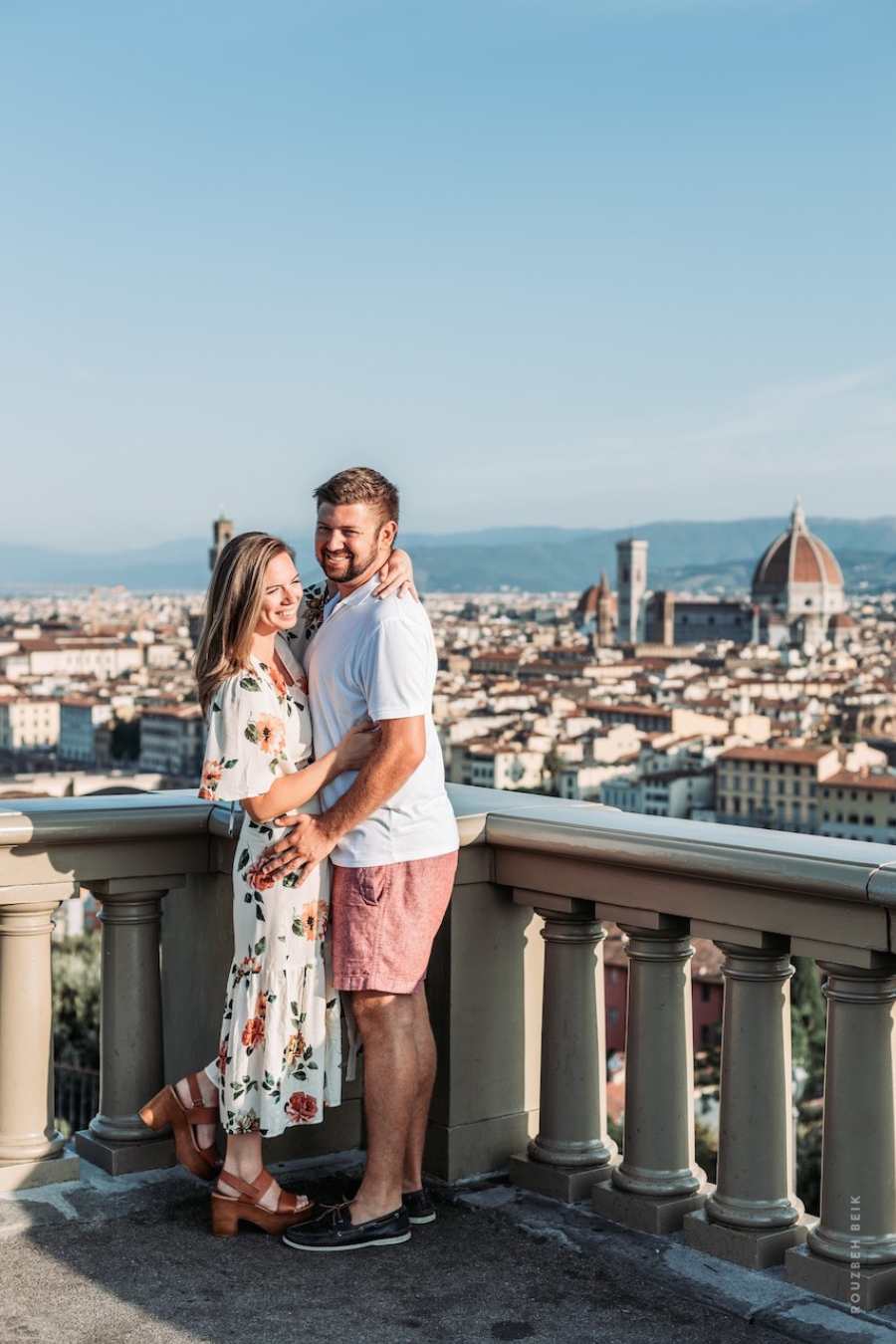
October in Florence is a destination in itself. The weather is variable — it can be genuinely warm or dip into the low 60s — but either way the city is extraordinary. When it is warm, the piazzas fill up with outdoor dining and the light on the Arno in the afternoon is stunning. When it cools down, the museums feel like they were designed for it and the narrow streets of the Oltrarno neighborhood take on a moody, atmospheric quality that summer just cannot replicate.
We have spent significant time in Florence — Seth lived in the city for over two years — and fall is genuinely our favorite season there. The Uffizi crowds thin out, the Boboli Gardens are beautiful in early October, and the city’s food scene hits a different gear in autumn with fresh truffles, chestnuts, and wild mushrooms making their way onto menus.
One genuinely local thing worth knowing: Florence has a large study abroad population, which means a surprising number of bars show live NFL games on Sunday and Monday nights. It is a funny and wonderful thing to stumble into after dinner. Our favorite restaurant in the city is I’Tarocchi — it has outdoor tables on a quiet side street and on a warm October evening it is exactly where you want to be.
Pro tip: Book the Uffizi Gallery first thing in the morning and go straight to the Botticelli room — Birth of Venus and Primavera with a small crowd around them is a completely different experience than navigating them in August.
8. LISBON, PORTUGAL
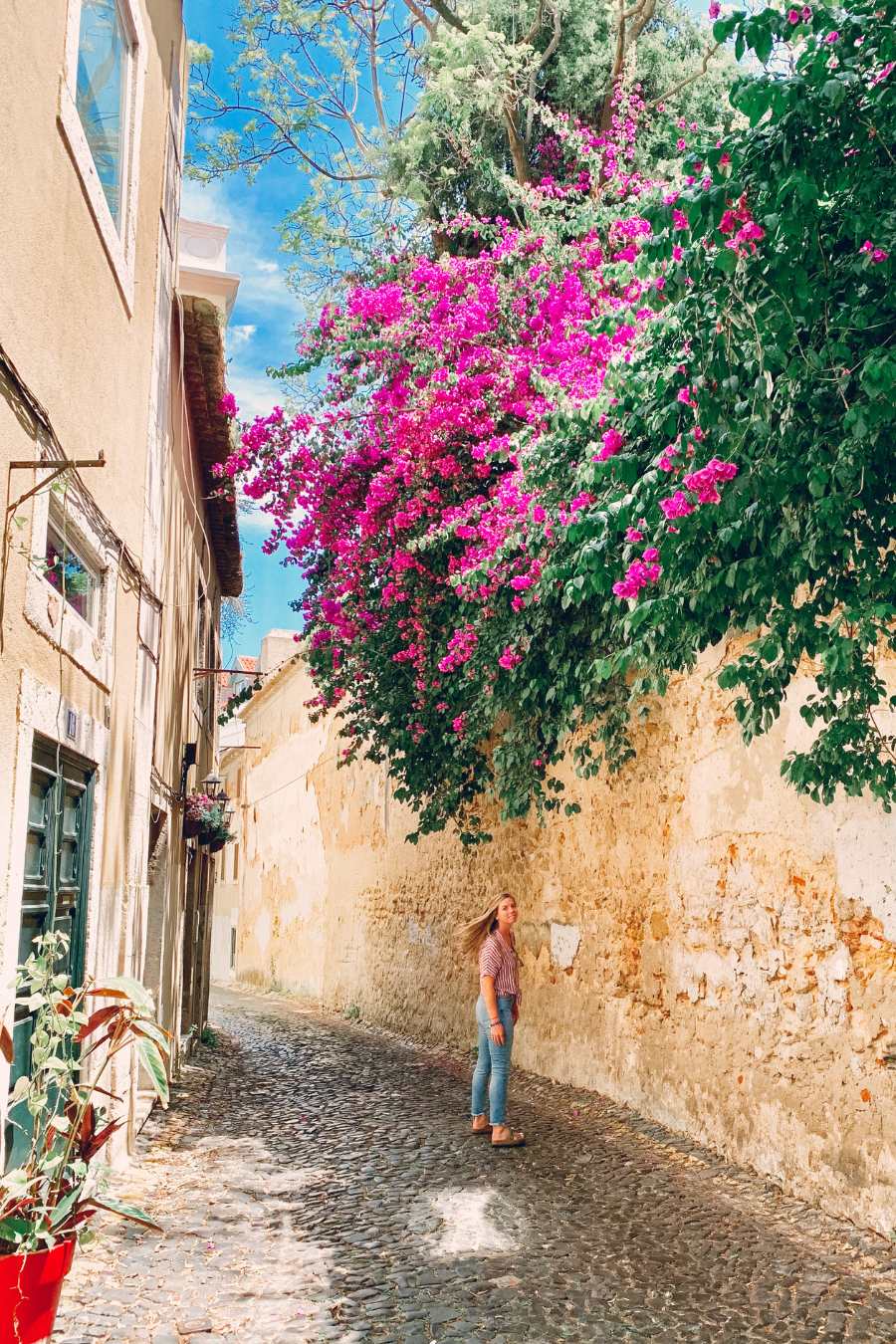
Lisbon holds onto summer longer than almost anywhere else in Europe. September in Lisbon regularly sees temperatures in the mid-70s with clear skies — it is one of the warmest capitals on the continent at this time of year. By October things cool slightly but the city still has a warmth and brightness to it that makes outdoor dining, rooftop bars, and long walks through the tiled streets genuinely enjoyable.
The tourist numbers drop meaningfully after August, which makes a real difference in a city like Lisbon where the trams, viewpoints, and narrow Alfama streets can feel genuinely overwhelming in peak season. September and October give you all the charm with a fraction of the crowds.
Lisbon is also one of the top cities in Europe for digital nomads — strong infrastructure, affordable cost of living relative to western Europe, and a working culture that makes remote work feel natural. If you are looking to base yourself somewhere for a month or more, it belongs near the top of your list. Our Travel Planner has real cost-of-living data for Lisbon alongside 77 other cities if you are in the planning phase.
Pro tip: Do the Sintra day trip on a weekday rather than a weekend — the palaces are extraordinary but the weekend crowds make it hard to enjoy. A Tuesday or Wednesday in October is close to ideal.
9. EDINBURGH, SCOTLAND
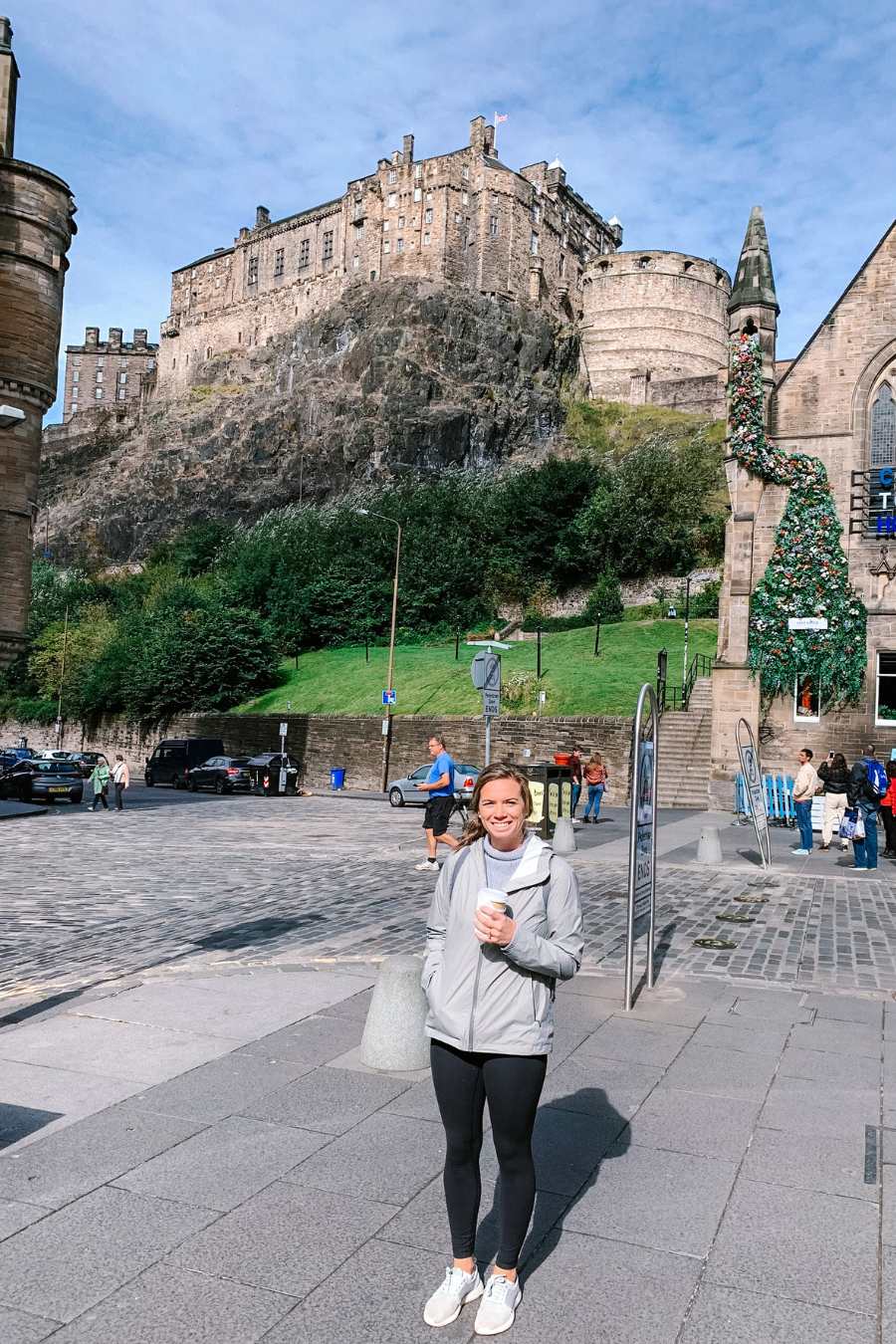
Edinburgh in September is a different city from the one that hosts the Fringe Festival in August. The festival crowds have cleared, the city breathes again, and what you are left with is genuinely one of the most dramatic and atmospheric places in Europe. Yes, it can be rainy — we will be honest with you, it was a bit rainy when we visited in September — but Edinburgh is still beautiful when it is wet. The castle looks more dramatic in moody weather, Arthur’s Seat takes on a wild quality, and the pubs get even better when you have a reason to duck inside.
October leans further into that atmospheric quality and the fall colors around the city and in the nearby Highlands are stunning. If you are comfortable with the idea that Scotland will occasionally be grey and you plan around it, Edinburgh rewards you generously. The history layered into the old town, the food and whisky scene, and the genuinely welcoming character of the city make it one of the most memorable trips we have done.
Pro tip: Hike Arthur’s Seat on your first morning if the weather allows — the 360-degree view of the city and surrounding landscape sets the tone for everything else and takes about 45 minutes from the base.
10. BARCELONA, SPAIN

Barcelona rounds out our list of the best European destinations September October — the heat of summer breaks, the beaches clear out, and the city returns to the Catalans. Barcelona in September is arguably the best version of the city — the summer heat softens, the tourist numbers start to come down after the August peak, and the Mediterranean is still warm enough to swim. The city’s beach life extends comfortably through September and often into October, which makes it genuinely unique among major European city breaks at this time of year.
The food scene is extraordinary year-round but fall brings an additional layer — Catalonian autumn menus, the harvest season produce, and a slightly more local character to the city as visitors thin out. The Gothic Quarter in October has an almost magical quality in the early evenings when the light is low and the crowds have receded.
Barcelona is also one of the great cities in Europe for digital nomads and remote workers — the infrastructure is excellent, the neighborhoods are walkable, and the quality of life is high relative to cost. If an extended stay is on your mind, it is worth a serious look alongside Lisbon.
Pro tip: Book the Sagrada Família with a tower access ticket rather than just entry — the views from the towers over the city are extraordinary and the booking fills up well in advance even in fall.
If you are tracking your Schengen days or planning an extended trip across several of these destinations, our Travel Planner has a built-in Schengen tracker and real rent data for 78 cities — including Lisbon, Barcelona, Prague, and Budapest.
The best European destinations September October delivers are genuinely different from summer. Fewer tourists, lower prices, and weather that still lets you sit outside with a glass of local wine. If you are planning a fall trip, these are the places we keep coming back to.
FREQUENTLY ASKED QUESTIONS
What is the best European destination for September and October overall?
The best European destinations September October travelers love include It depends on what you are after. For coastal destinations with warm water and fewer crowds, Dubrovnik and Santorini are hard to beat. For city breaks with ideal walking weather, Prague and Budapest in October are genuinely exceptional. For a mix of beach and city, Barcelona covers both.
Where in Europe can you still swim in October?
The Mediterranean and Adriatic stay warm enough to swim in October in most years. Malta, Santorini, the Amalfi Coast, Dubrovnik, and Barcelona all have sea temperatures that support swimming well into October — typically 68 to 72°F (20 to 22°C).
Is September or October better for visiting Europe?
Both are excellent but they suit different travel styles. September feels closest to summer — warmer temperatures, more beach time available, and a livelier atmosphere. October is cooler, cheaper, and quieter across the board, and the fall colors in destinations like Prague, Budapest, and Edinburgh make it genuinely special.
Which European cities are best for digital nomads in fall 2026?
Lisbon and Barcelona consistently top the list for infrastructure, quality of life, and cost relative to western European alternatives. Prague and Budapest are excellent value for longer stays and both have strong nomad communities. Athens is also worth serious consideration for anyone planning a Mediterranean base in fall.
Do I need ETIAS to visit Europe in September or October 2026?
Possibly — ETIAS is expected to launch in late 2026 for American travelers visiting the Schengen Area. Read our full ETIAS guide for the most current information and timeline before booking.
September and October are genuinely our favorite time to be in Europe. The light is different, the energy shifts, and the places feel more like themselves when the summer crowds have moved on. Whether you are planning one week or three months, any of these destinations will give you a fall trip worth remembering. We hope this helps — and if you end up in Dubrovnik this September, we might just see you there.