We have attended Christmas markets across Europe for years and this guide to the best Christmas markets in Europe is built entirely from those visits. Between us we have been to markets in Munich, Prague, Budapest, Graz, Florence, Salzburg, Vienna, Bratislava, and Bucharest — and the differences between them are significant. Some cities have a single market. Others have eight spread across different neighbourhoods. Some are built for tourists. Others feel like the city actually showing up for itself. This guide tells you which are which.
THE BEST CHRISTMAS MARKETS IN EUROPE
Graz, Austria — Our Favourite
Graz is our favourite Christmas market city in Europe and the one we recommend most enthusiastically to people who want to go beyond the obvious. The city has at least eight different market areas spread across its neighbourhoods — some open every day, some only on weekends — which means a visit rewards exploration rather than just ticking off the main square. We had friends who live in Graz (people we had met in Riga) show us around for our entire visit, and getting to see all of it through local eyes made it extraordinary. The weather was surprisingly warm which meant we could genuinely enjoy the outdoor markets without huddling under heaters. The main market on Hauptplatz under the clock tower is spectacular, and the smaller neighbourhood markets dotted around the city are where you find the real Graz Christmas spirit.
Vienna, Austria
Vienna does Christmas markets at a scale that is hard to match. The main market on Rathausplatz in front of the city hall is enormous — hundreds of stalls, an ice rink, and the whole thing lit up under the neo-Gothic facade of the Rathaus. But Vienna’s strength is the number of markets across the city, each with its own character. The market at Schönbrunn Palace in the grounds of the Habsburgs’ summer residence is one of the most atmospheric in the world. The Spittelberg market in the 7th district is smaller, more design-oriented, and beloved by locals. Allow at least two days in Vienna during market season.
Salzburg, Austria
Salzburg claims to host one of the oldest Christmas markets in the world — the Christkindlmarkt on Domplatz dates back to 1491. The setting under the cathedral and the Hohensalzburg fortress on the hill above is genuinely extraordinary. The city is compact enough that you can walk between its main markets easily, and the combination of Baroque architecture, the fortress, and the market stalls makes Salzburg one of the most photogenic Christmas market cities in Europe.
Munich, Germany
Munich’s Christkindlmarkt on Marienplatz is one of the most famous in the world and has been running since 1642. The backdrop of the neo-Gothic Neues Rathaus makes it spectacular. Munich also has several other markets across the city — the Schwabing market in the English Garden area and the medieval market near Wittelsbacherplatz are both worth visiting. If you are there for Oktoberfest season the city looks completely different, but Munich in December is a genuine pleasure.
Prague, Czech Republic
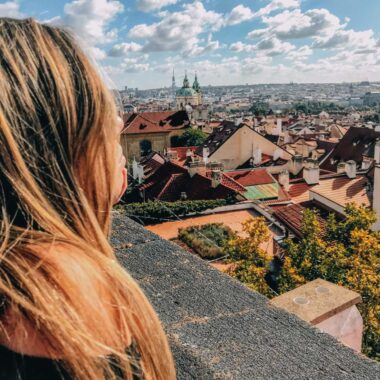
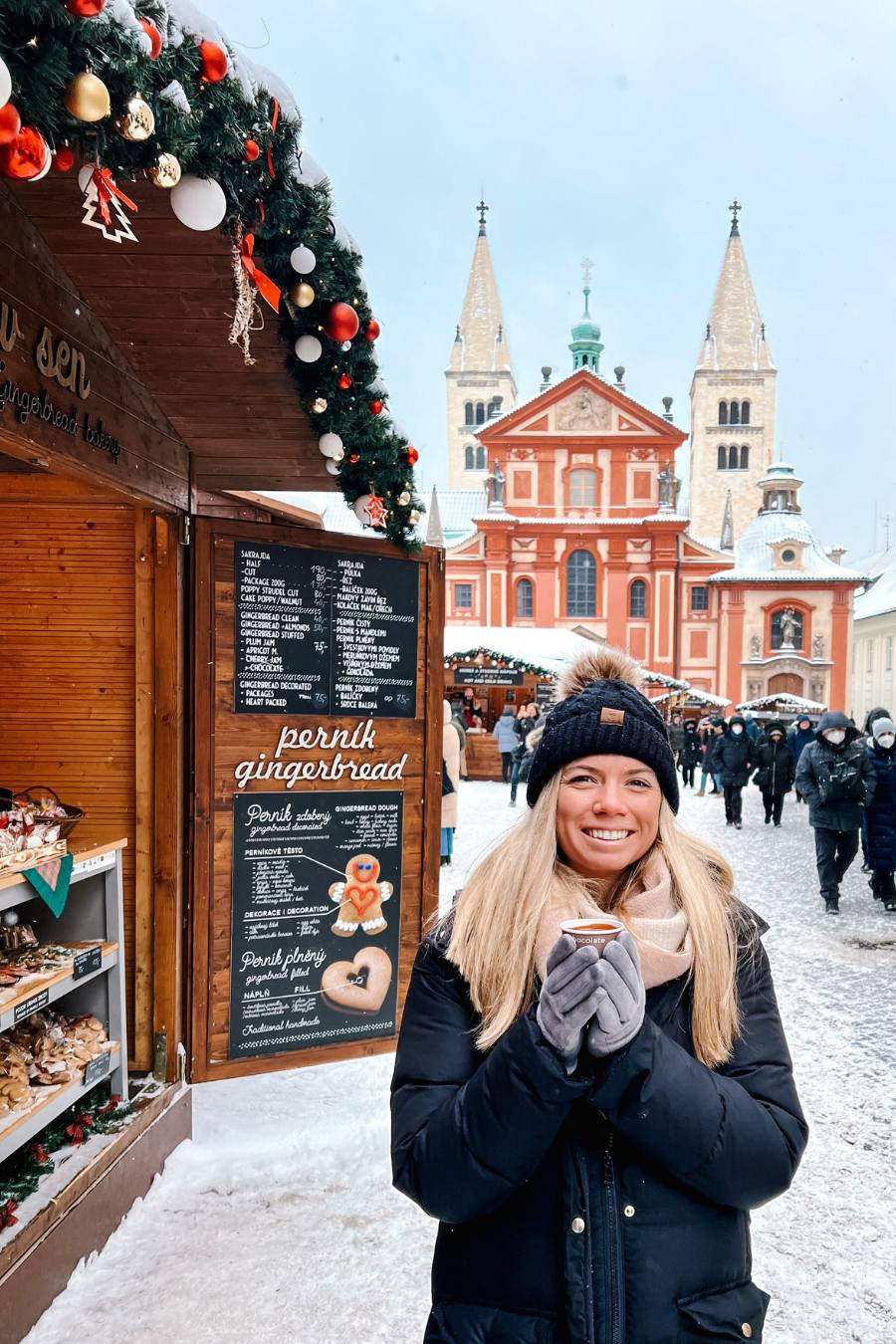
Prague’s Christmas markets on Old Town Square and Wenceslas Square are among the most beautiful in Central Europe. The backdrop of the Astronomical Clock and the Gothic and Baroque buildings surrounding the square make Old Town Square one of the best Christmas market settings anywhere. The market runs from late November through early January. Seth has led walking tours in Prague and knows the city well — the markets here genuinely add something to a city that is already extraordinary in winter.
Budapest, Hungary
Budapest’s Christmas markets around Vörösmarty Square and St. Stephen’s Basilica are among the largest and most impressive in Central Europe. We went this past winter and were genuinely blown away by the scale — hundreds of stalls, mulled wine, local food, and live entertainment across two main market areas connected by the pedestrian Váci Street. The market at St. Stephen’s Basilica is particularly spectacular with the illuminated façade of the basilica as the backdrop.
Bratislava, Slovakia
Bratislava’s Christmas market on Hlavné námestie (Main Square) is charming and much less crowded than its neighbours Vienna and Budapest — which are each less than an hour away by train. The compact old town means the market is easy to walk in a few hours. A great addition to a Central European Christmas market trip combining Vienna and Budapest.
Bucharest, Romania
Bucharest’s Christmas market is concentrated in one location — Constituției Square in front of the Palace of Parliament — which makes it perhaps the most concentrated large-scale market we have attended. The Palace of Parliament is the second-largest administrative building in the world and the market spread across the square in front of it is genuinely impressive in scale. A different experience to the multi-market cities but worth knowing about if you are visiting Romania in December.
Florence, Italy
Florence has a German-style Christmas market on Piazza Santa Croce that Seth knows well from his years living in the city. It is smaller than the Austrian and Czech markets but the setting — in front of the Gothic Santa Croce basilica where Michelangelo is buried — is unique. Combined with the general magic of Florence in winter when the tourist crowds thin out, the market makes a December Florence visit genuinely special.
TIPS FOR VISITING EUROPEAN CHRISTMAS MARKETS
Go on a weekday if possible — weekends at major markets like Vienna and Munich are genuinely packed. Most markets run from late November through Christmas Eve. Book accommodation well in advance for December visits — cities like Vienna, Prague, and Budapest fill up fast during market season. Wear comfortable walking shoes and dress in layers — you will be outside for hours. Try the local hot drink at each city: Glühwein in Austria and Germany, svařák in Czech Republic, forralt bor in Hungary. And do not skip the smaller neighbourhood markets in cities that have multiple — they are often the best part.
Planning a longer European trip around the markets? Our Nomad Planner has cost-of-living data for 78 European cities and a Schengen tracker for extended stays. And grab an eSIM before you go — Saily (code THEJETLAGJOURNEY25 for 25% off) or Airalo (code JLJ10 for 10% off).
ETIAS — WHAT AMERICAN TRAVELERS NEED TO KNOW
From late 2026, American travelers will need ETIAS authorization before visiting Europe. It takes about 10 minutes to apply and costs €20. Read our complete ETIAS guide for everything you need to know before your trip.
FREQUENTLY ASKED QUESTIONS ABOUT EUROPEAN CHRISTMAS MARKETS
What are the best Christmas markets in Europe?
Based on our personal visits: Graz is our favourite for sheer number of markets and local character. Vienna and Salzburg for atmosphere and setting. Prague and Budapest for Central European charm and value. Munich for scale and tradition. All nine cities we have visited are worth it — the best Christmas markets in Europe depend on what you are looking for.
When do European Christmas markets open?
Most markets open in late November — typically around the last weekend of November — and run through December 24th or 26th. Some, like Prague, continue into early January. Check individual city dates as they vary by a few days each year.
Which European Christmas market city has the most markets?
Graz surprised us the most — at least eight different market areas across the city, some only open on weekends. Vienna is close behind with markets spread across multiple districts. Both cities reward spending three or more days to see everything properly.
Is Budapest worth visiting for Christmas markets?
Yes — the markets around Vörösmarty Square and St. Stephen’s Basilica are genuinely impressive in scale and atmosphere. We went this past winter and were blown away by both. Read our complete Budapest city guide for everything the city offers beyond the markets.
How should I plan a Christmas market trip to Europe?
Pick a cluster of cities within easy train reach of each other — Vienna, Bratislava, and Budapest work perfectly together (each under two hours apart). Prague and Graz are both easy adds. Book accommodation early, plan to spend two to three days per city, and build in time for the smaller neighbourhood markets that the main squares cannot show you.
MORE FROM THE JET LAG JOURNEY
Read our city guides for Budapest, Prague, and Munich for everything beyond the markets. For planning a multi-city European trip, our Europe trip planning guide covers all the logistics. And our 50 Europe travel tips has everything we wish we had known on our first trip.